
A state of Peranakan Culture
MALACCA
February 2025
by Seer Oon Hor
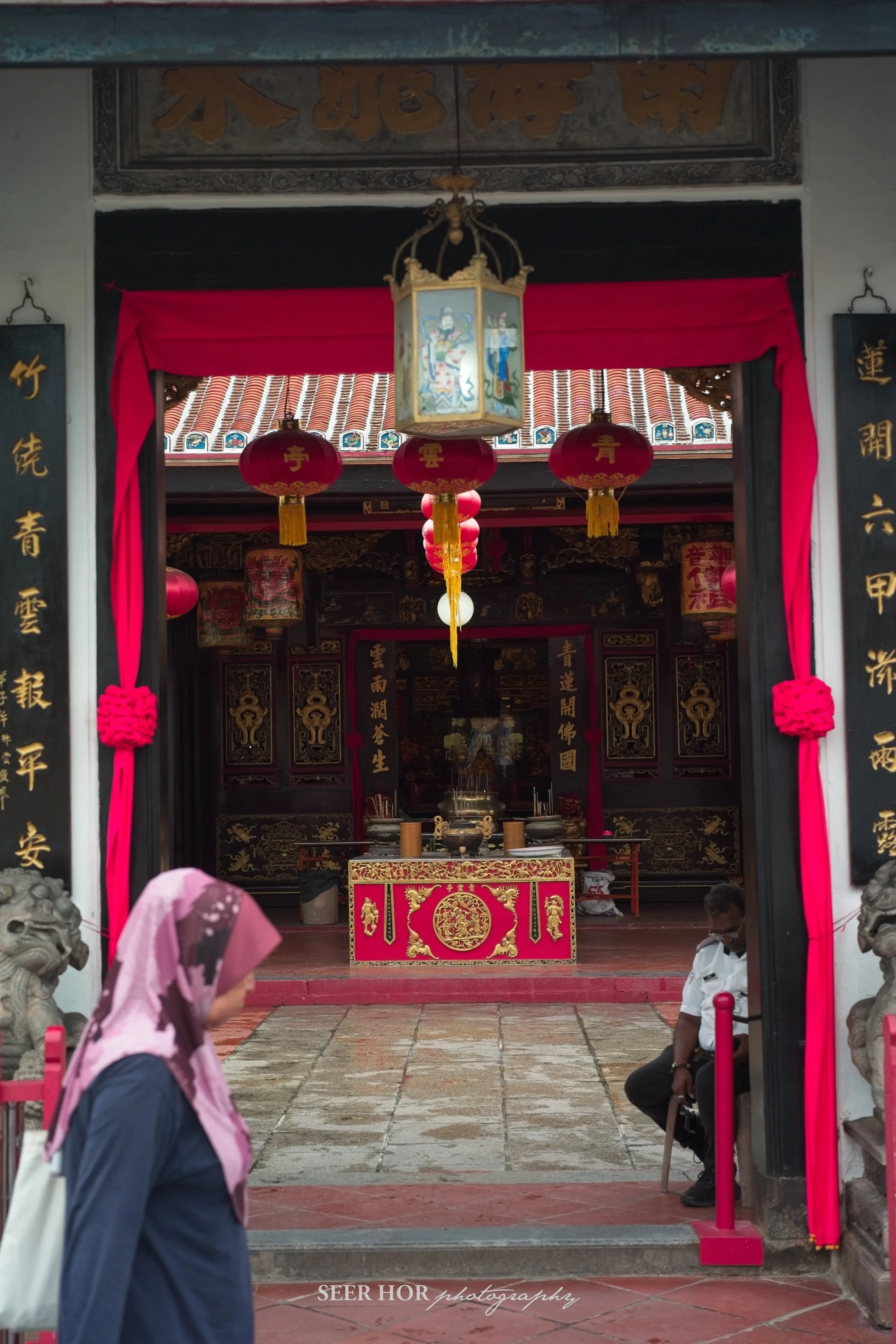
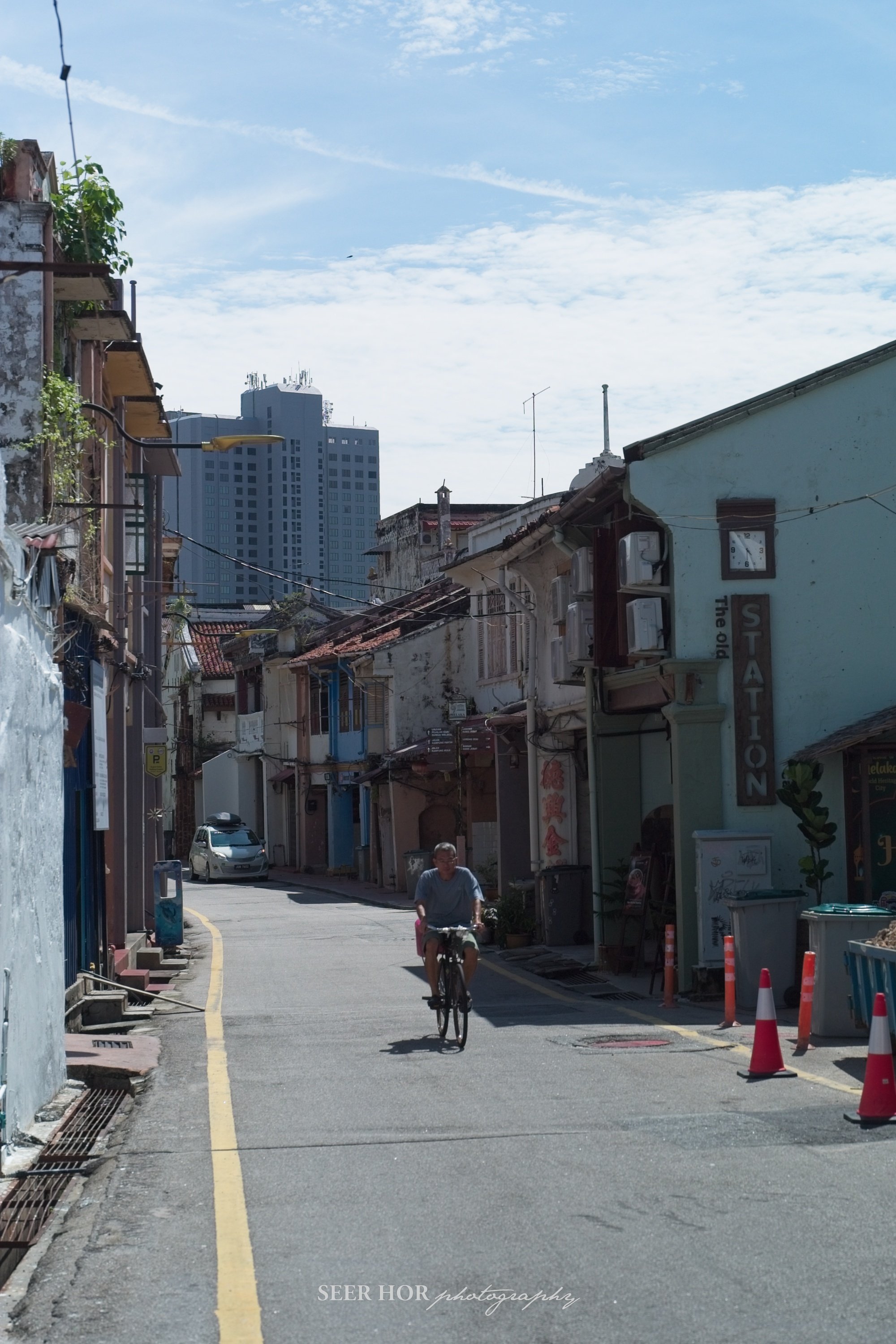
Malacca is a historic city in Malaysia known for its rich cultural heritage, blending Portuguese, Dutch, British, and most importantly Peranakan influences along with its vibrant streets and diverse culinary offerings.
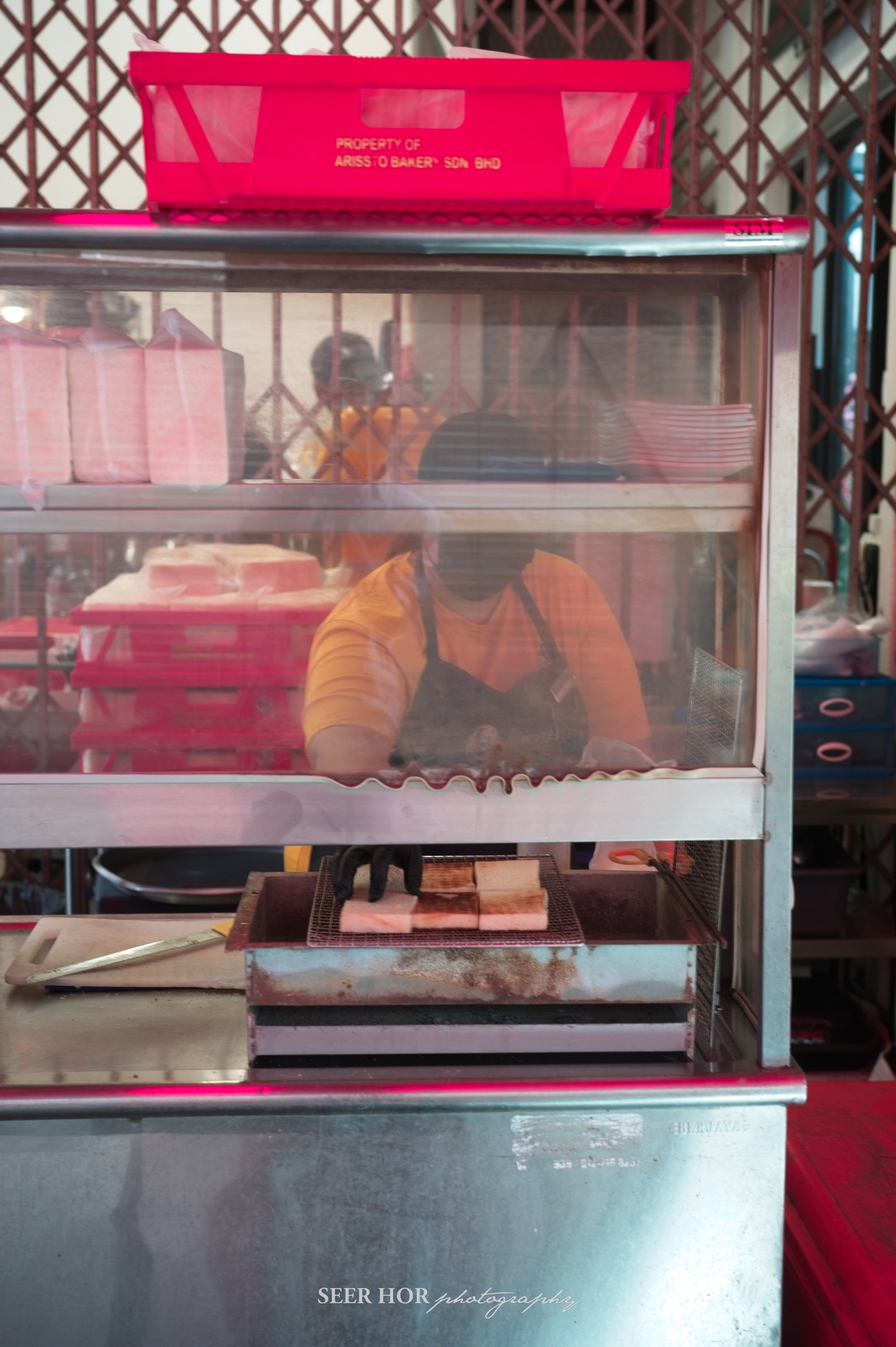
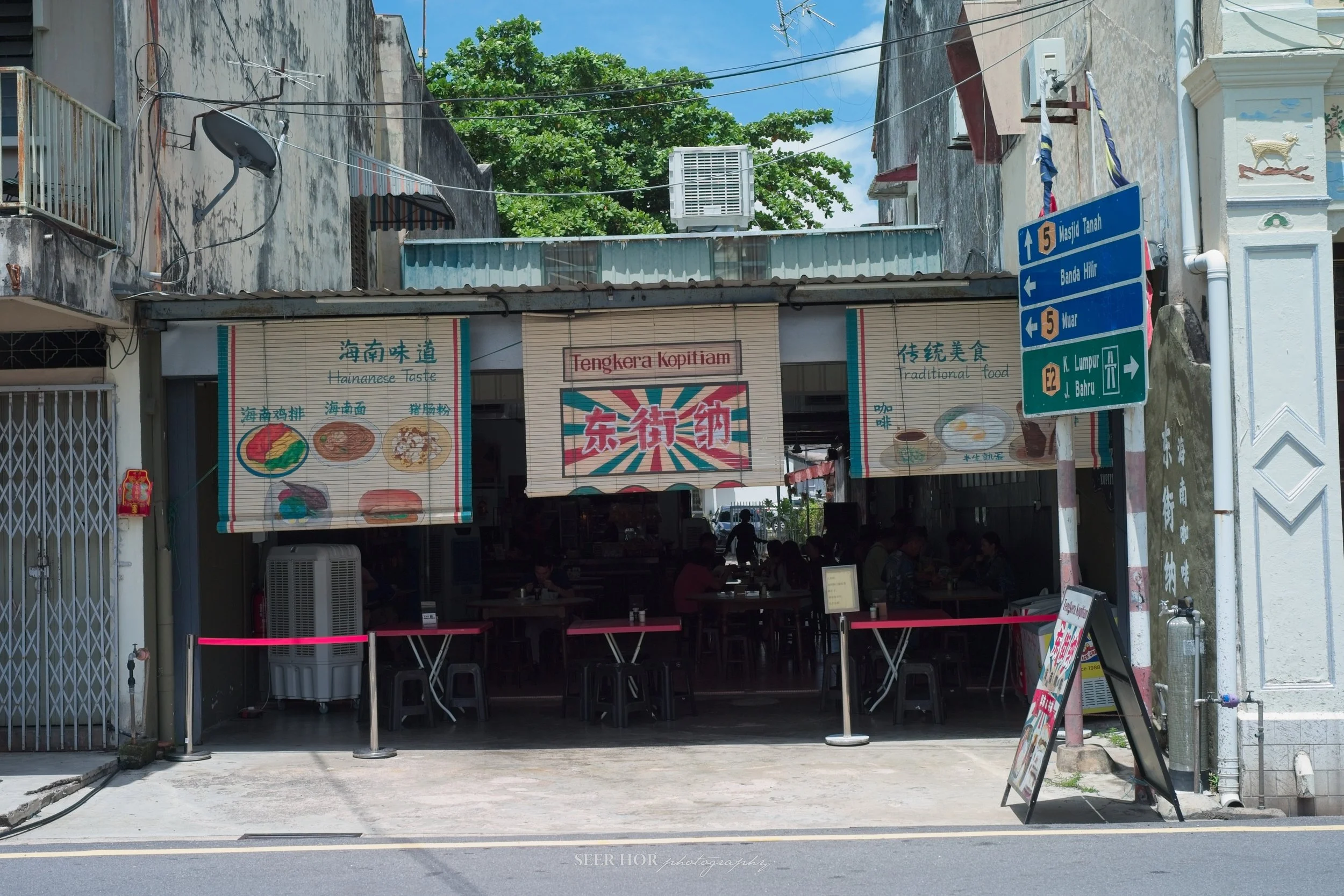
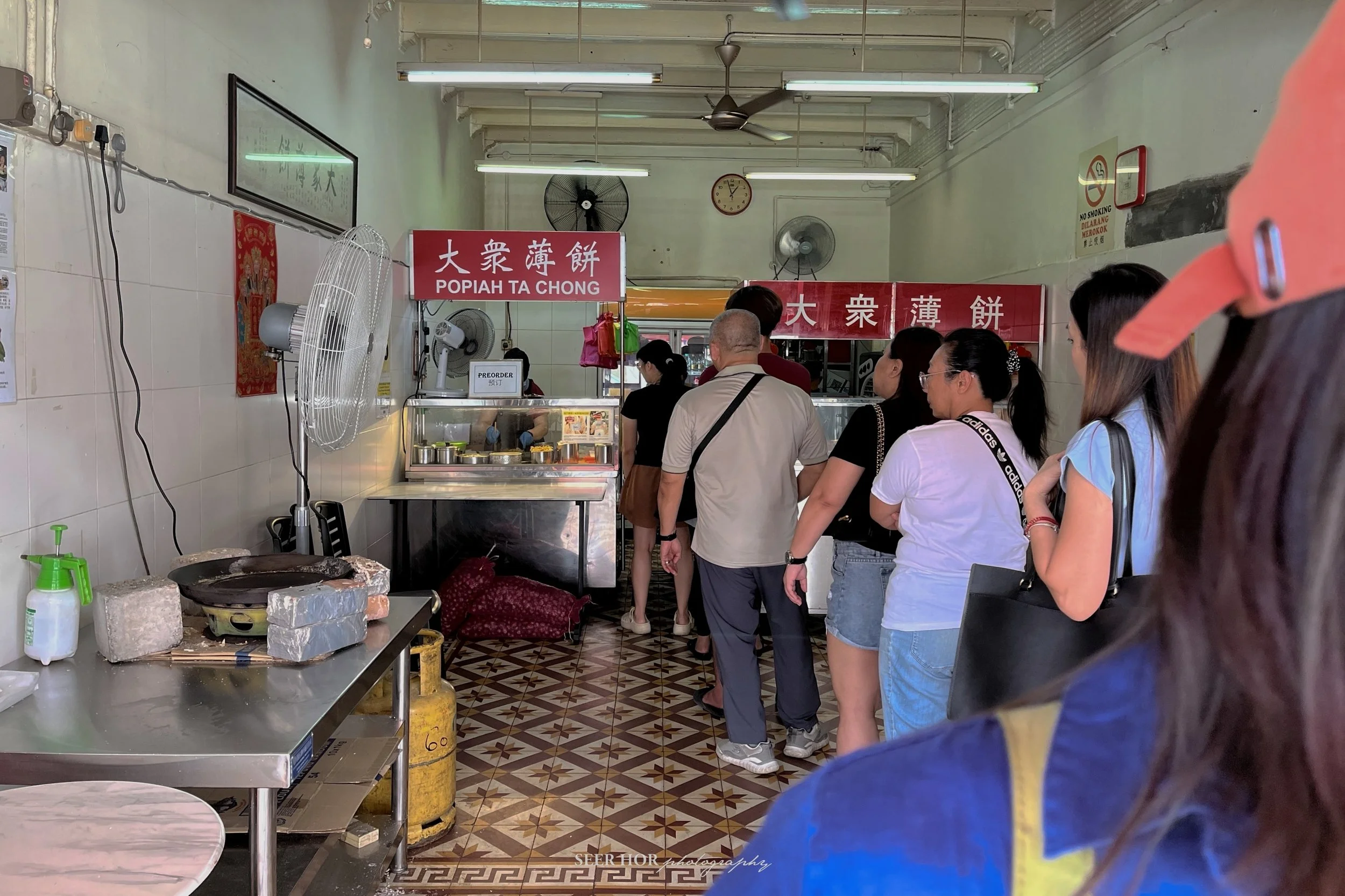
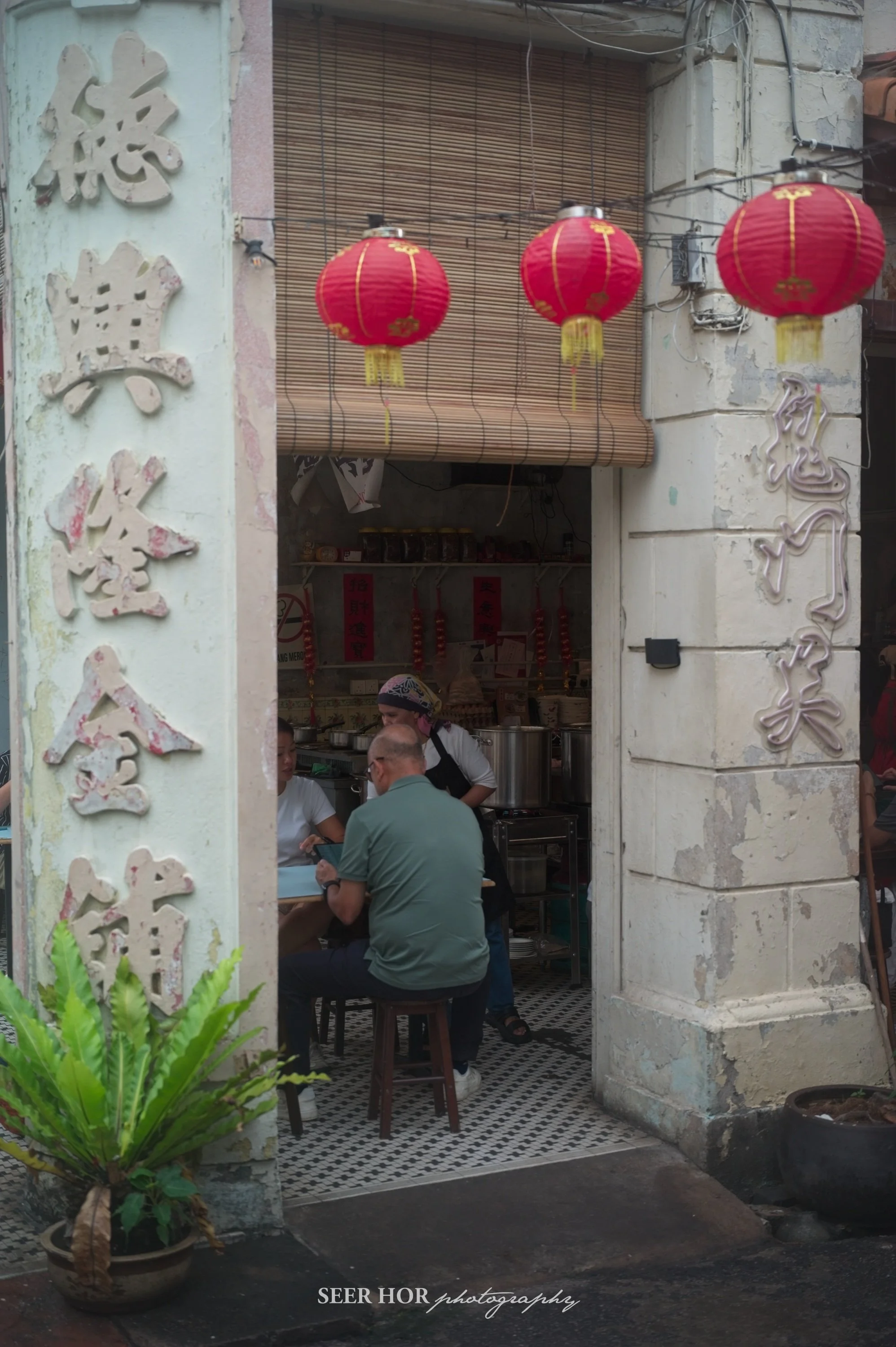
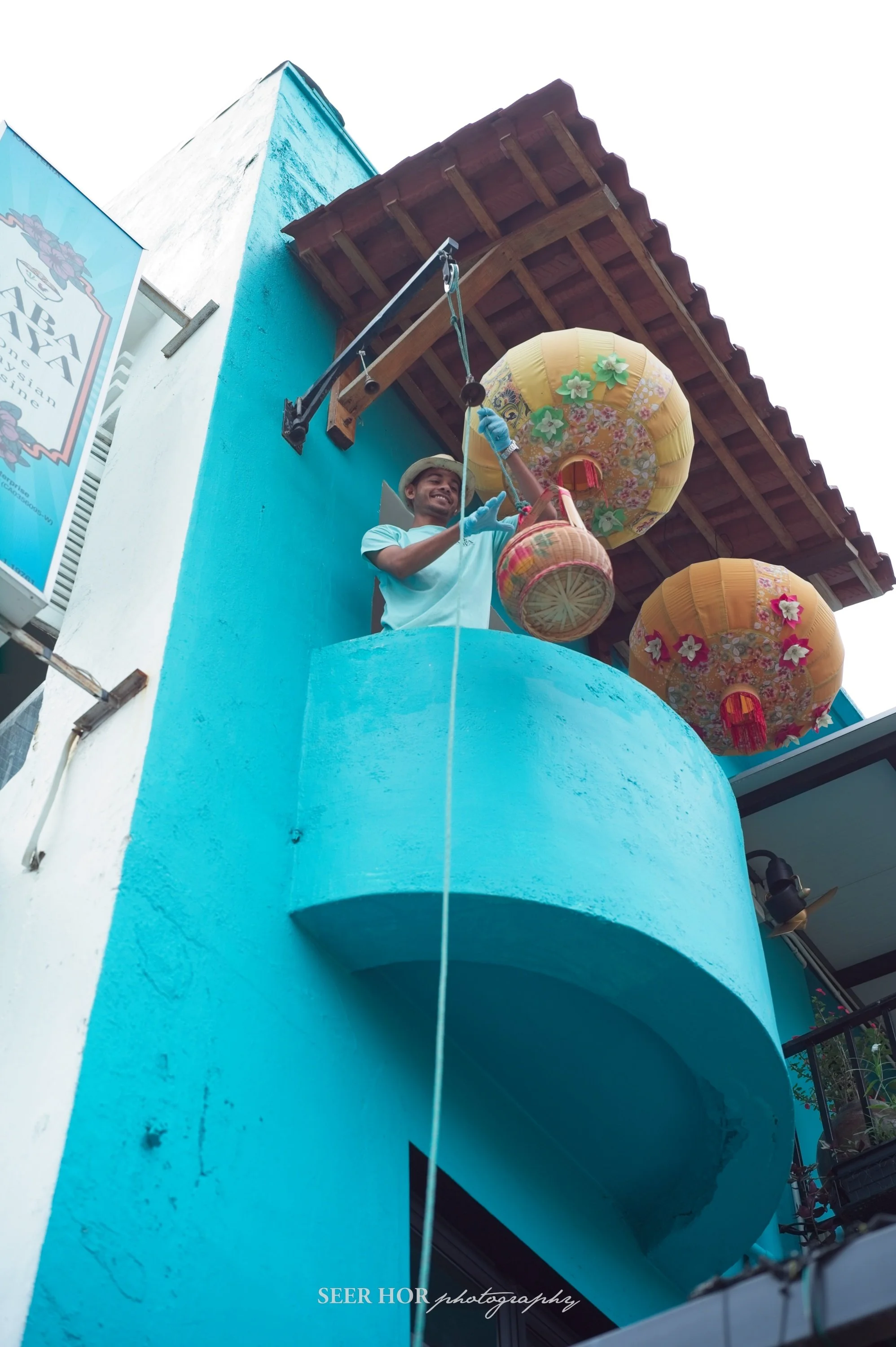
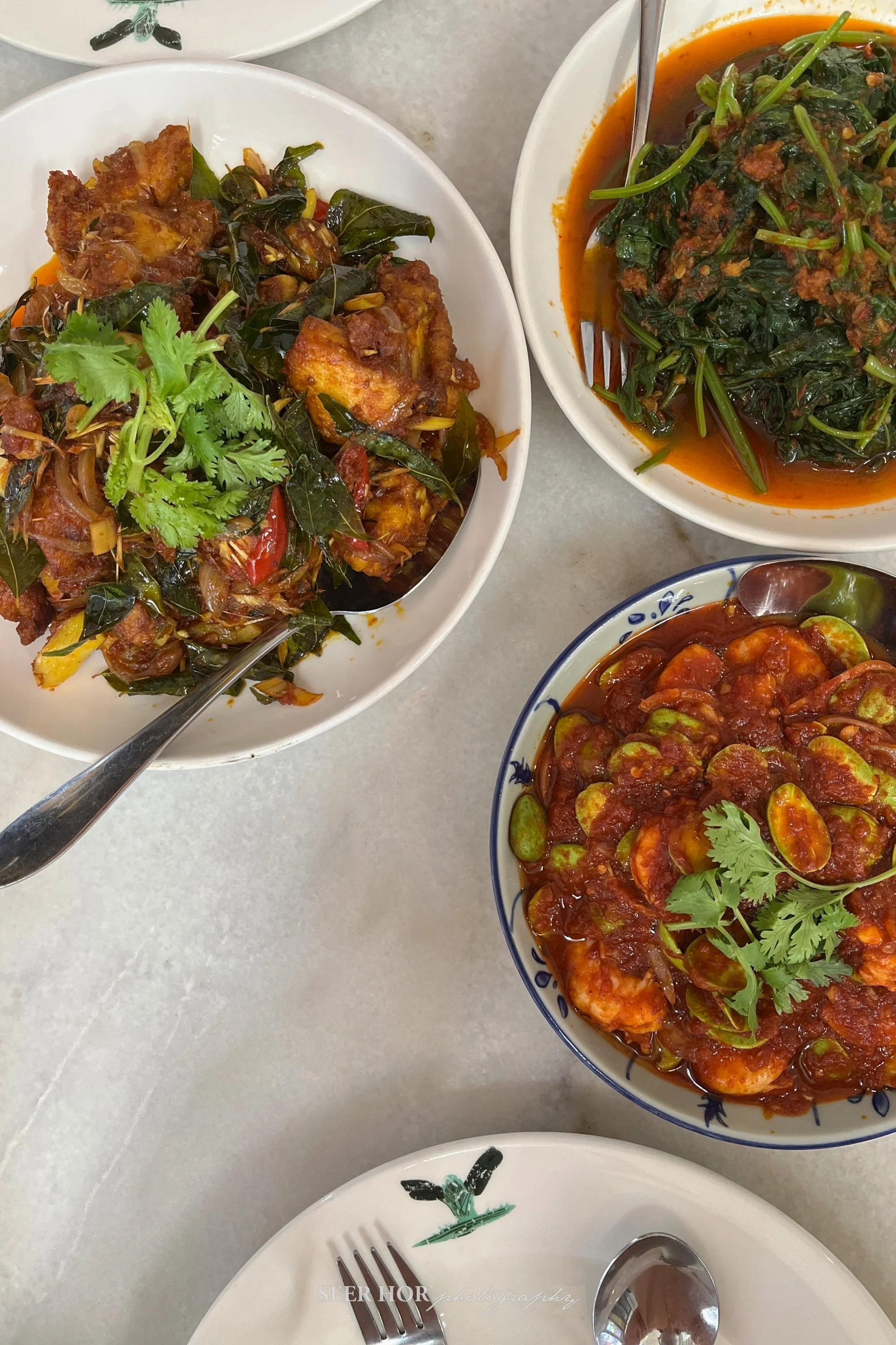
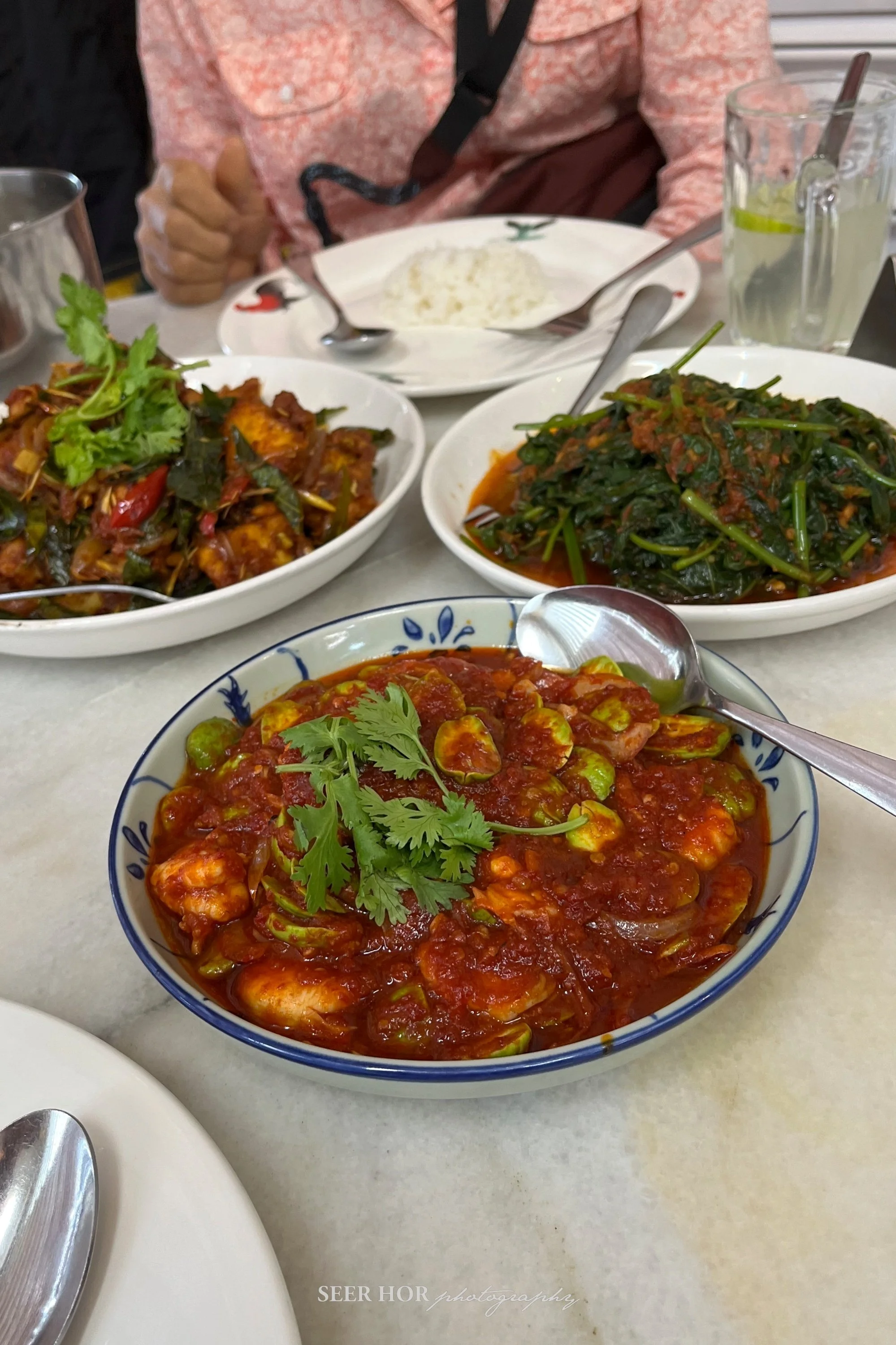
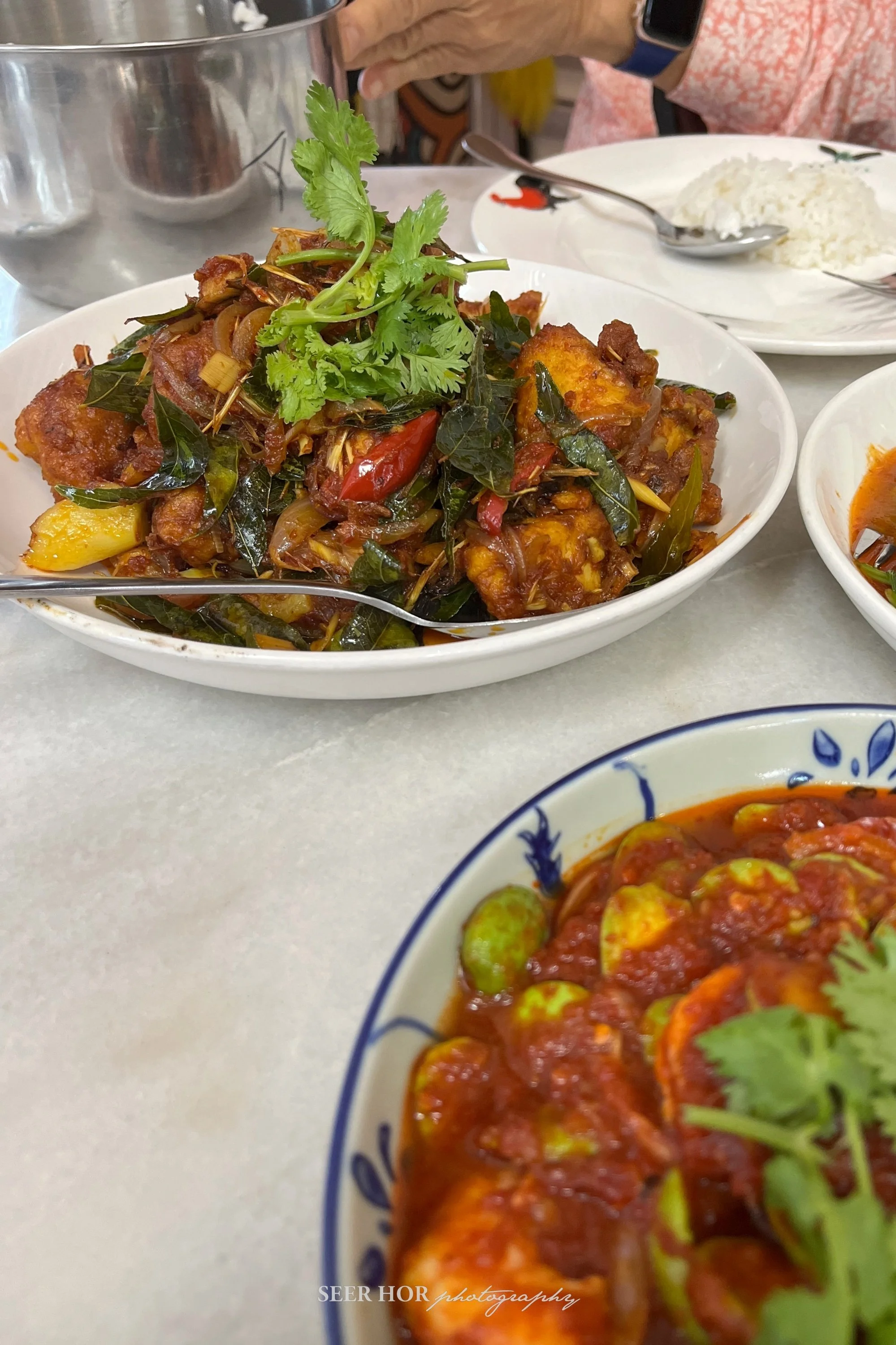
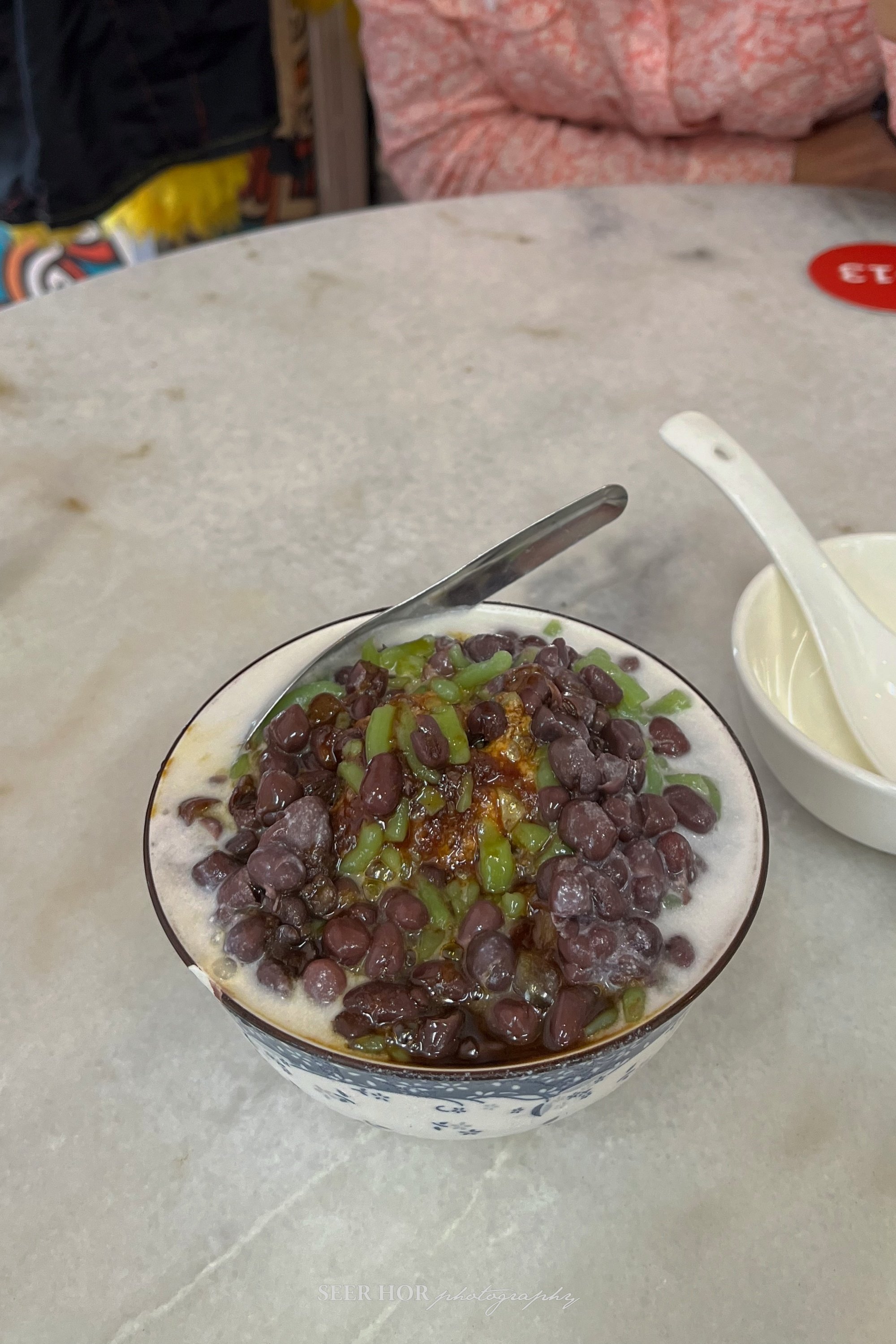
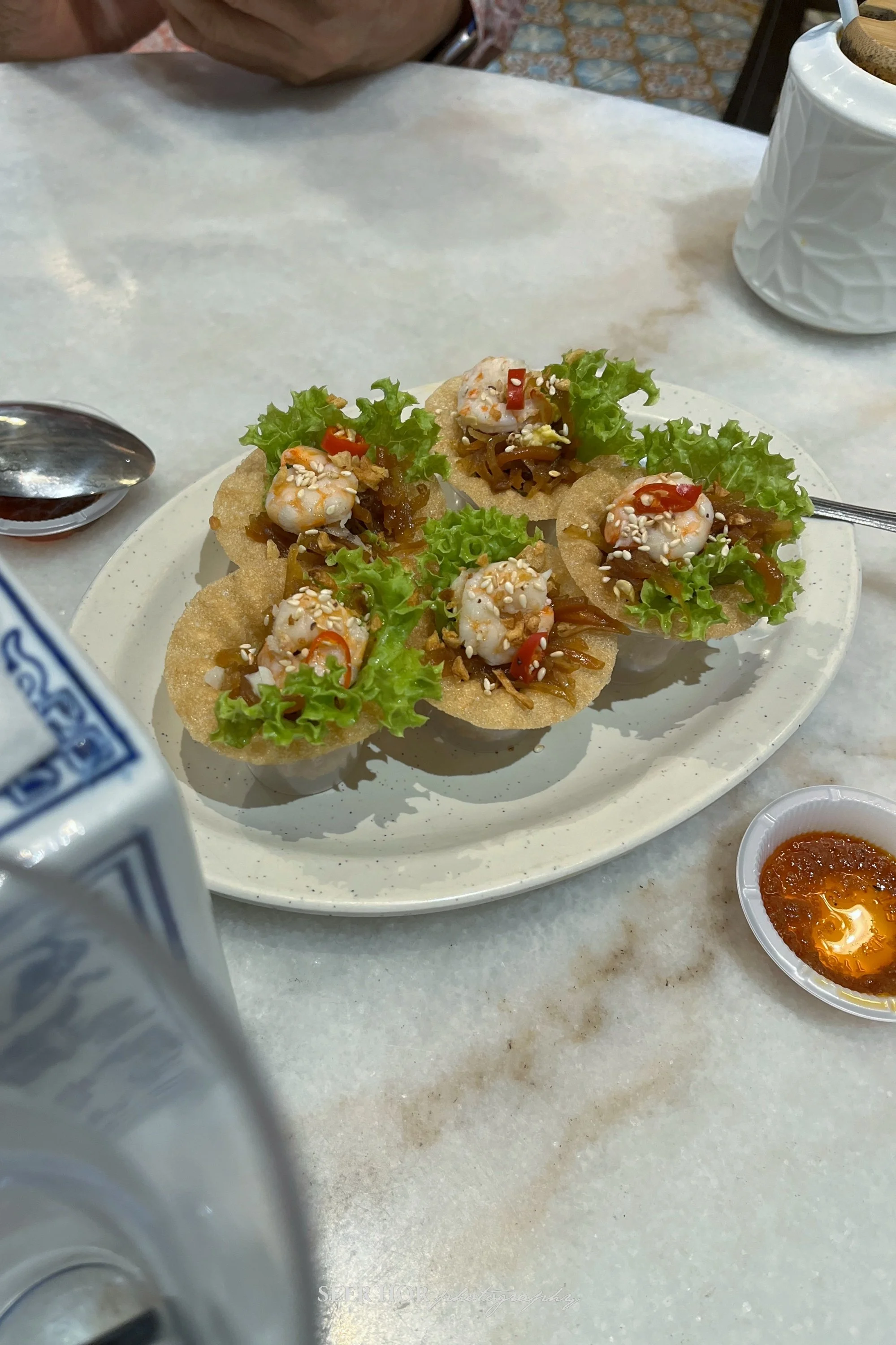
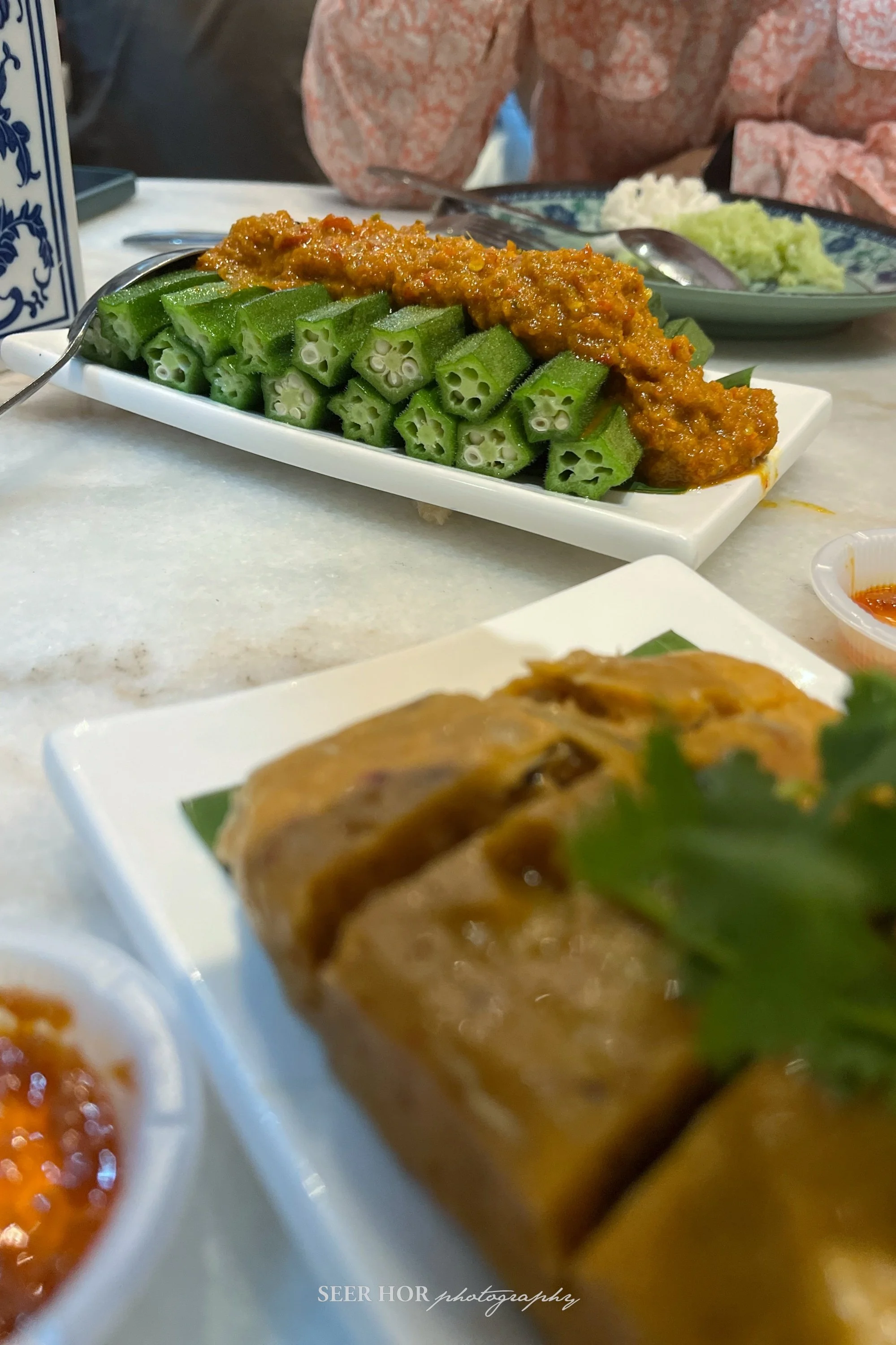
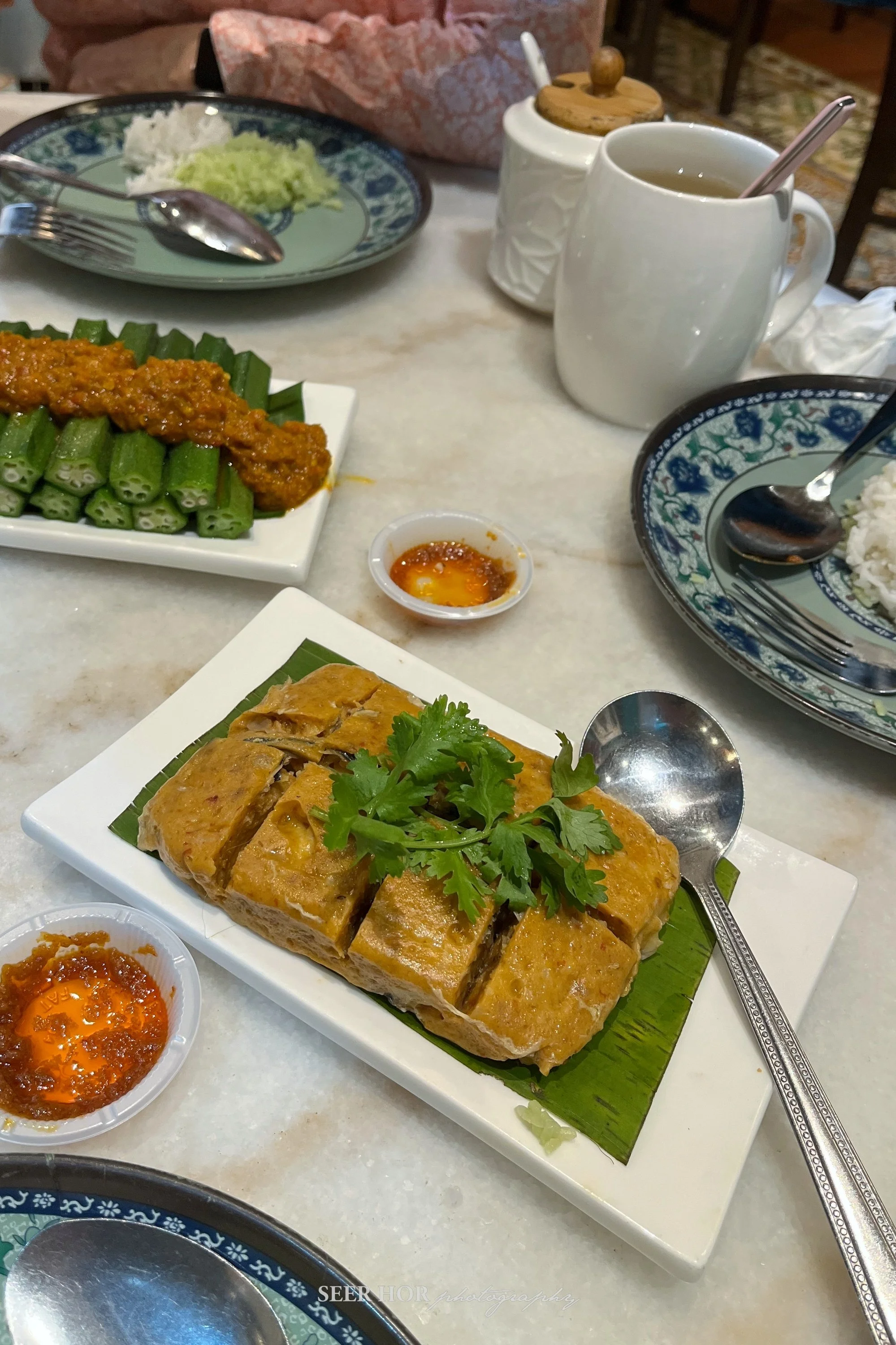
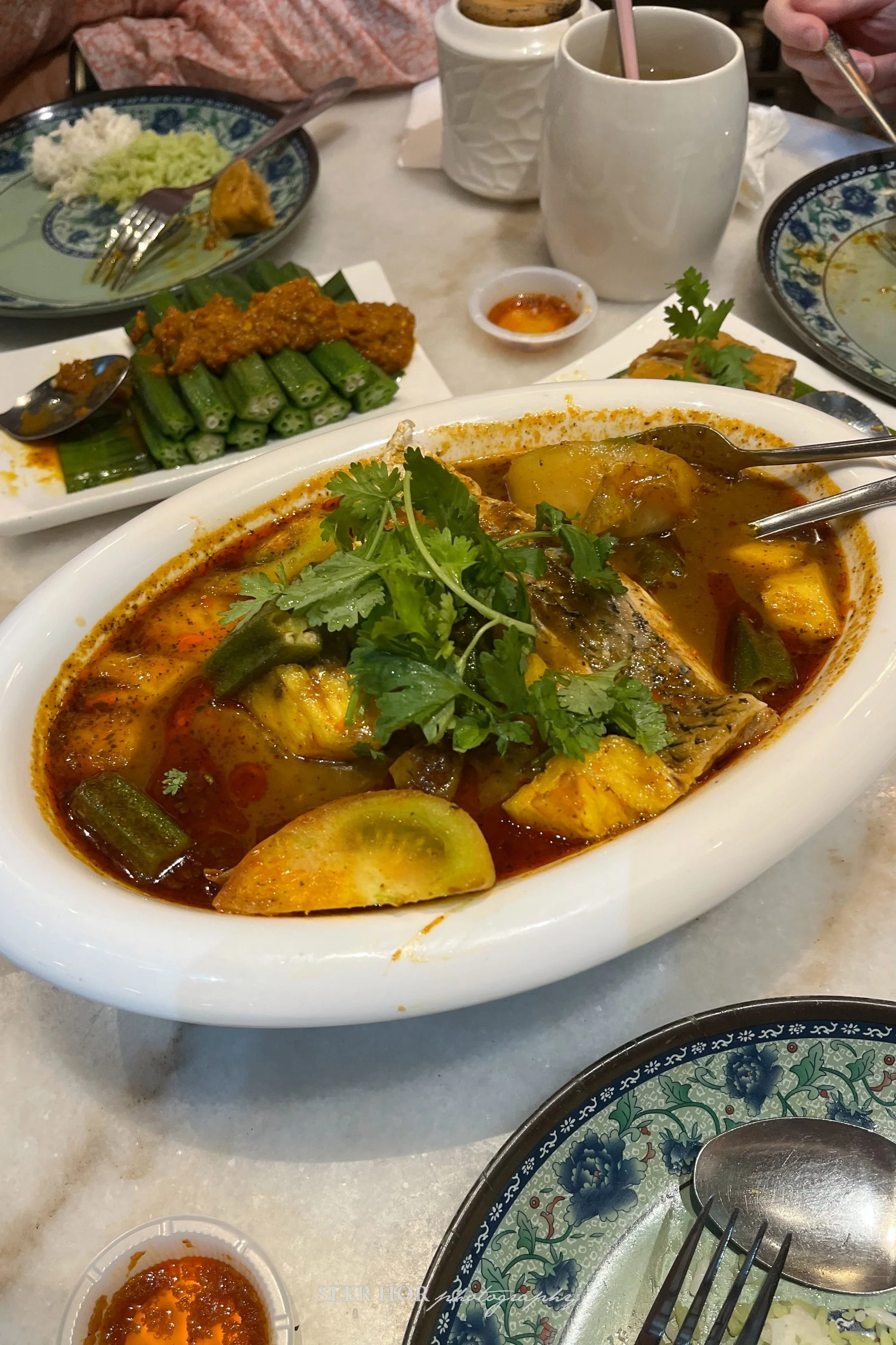
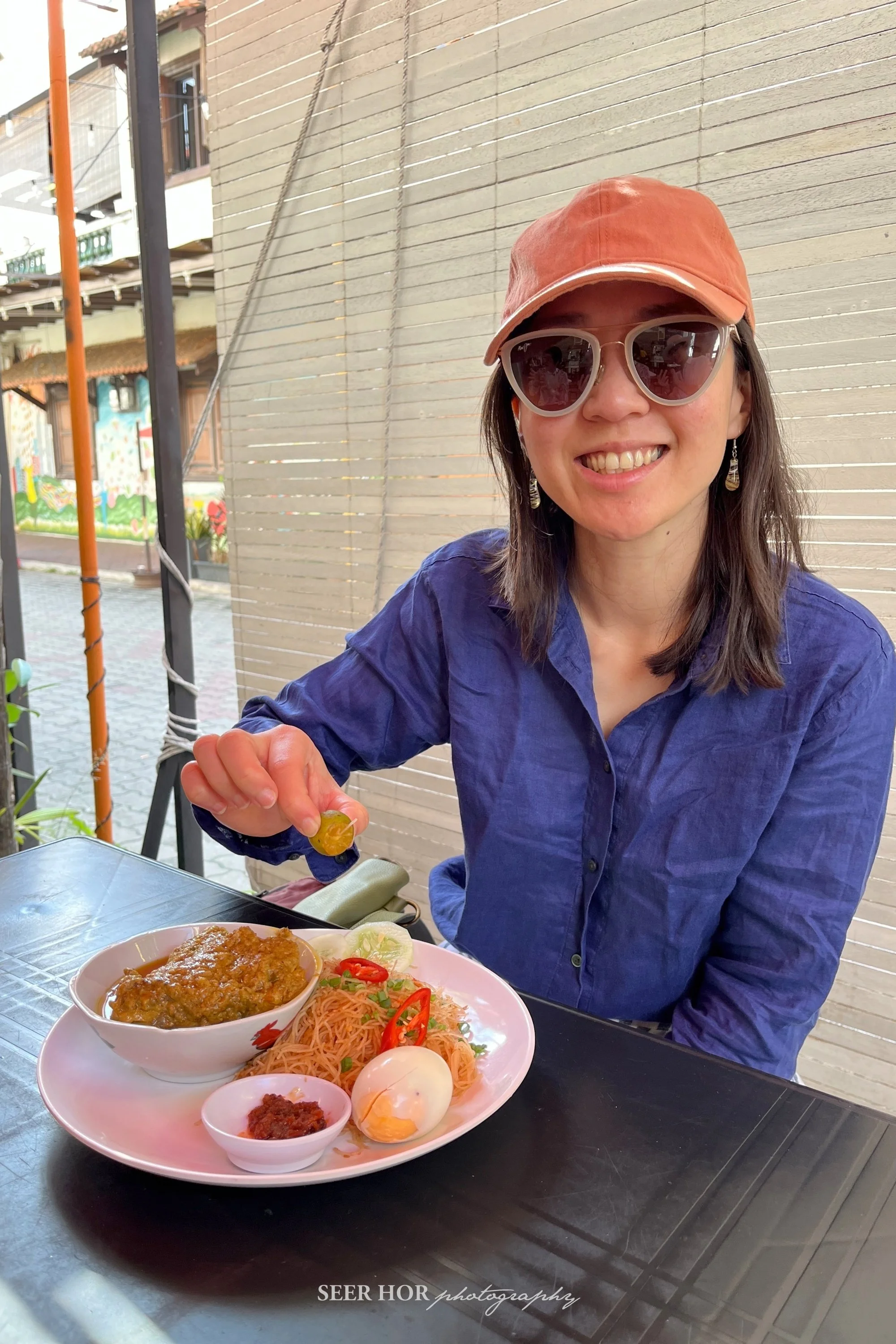
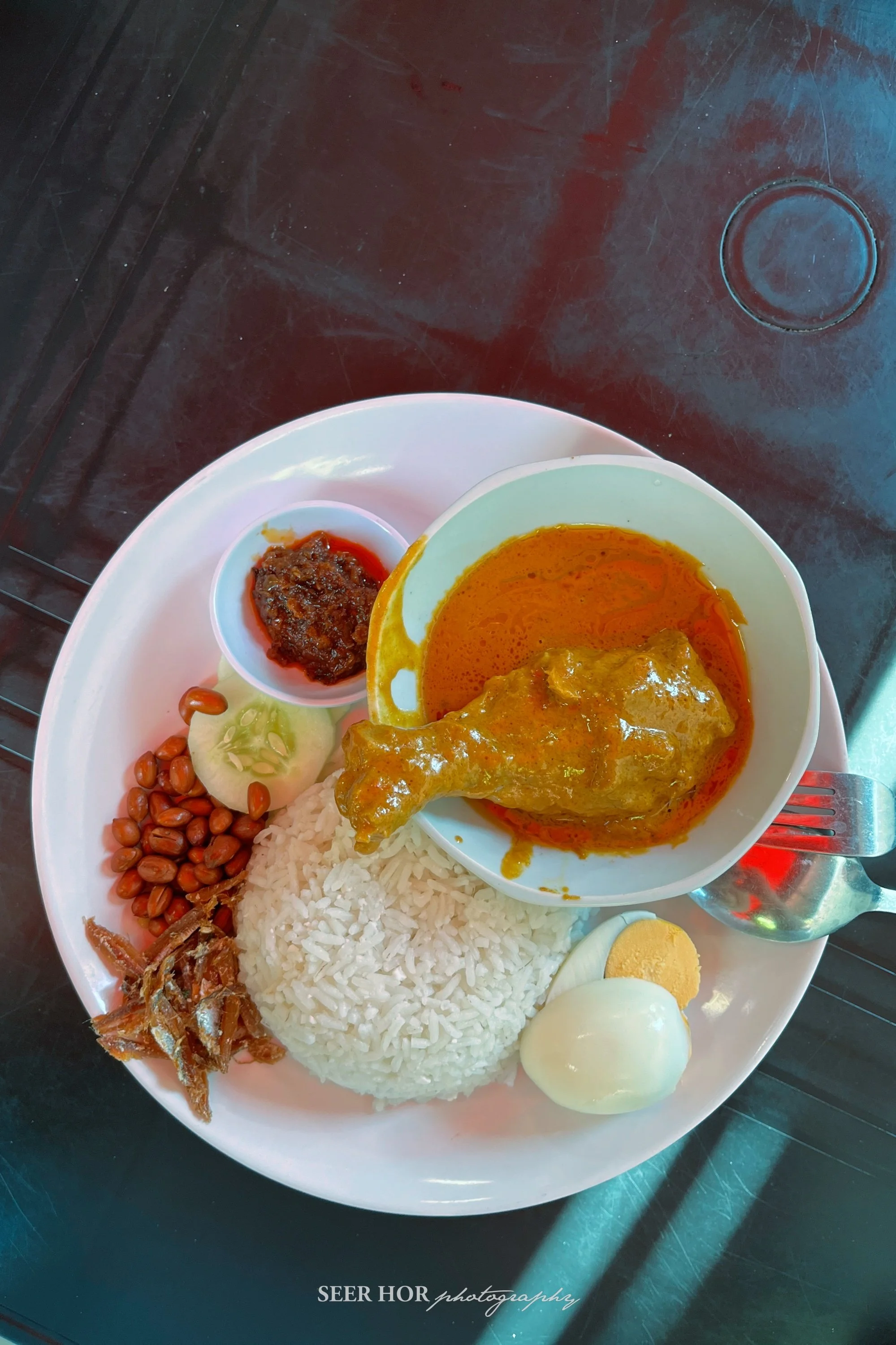
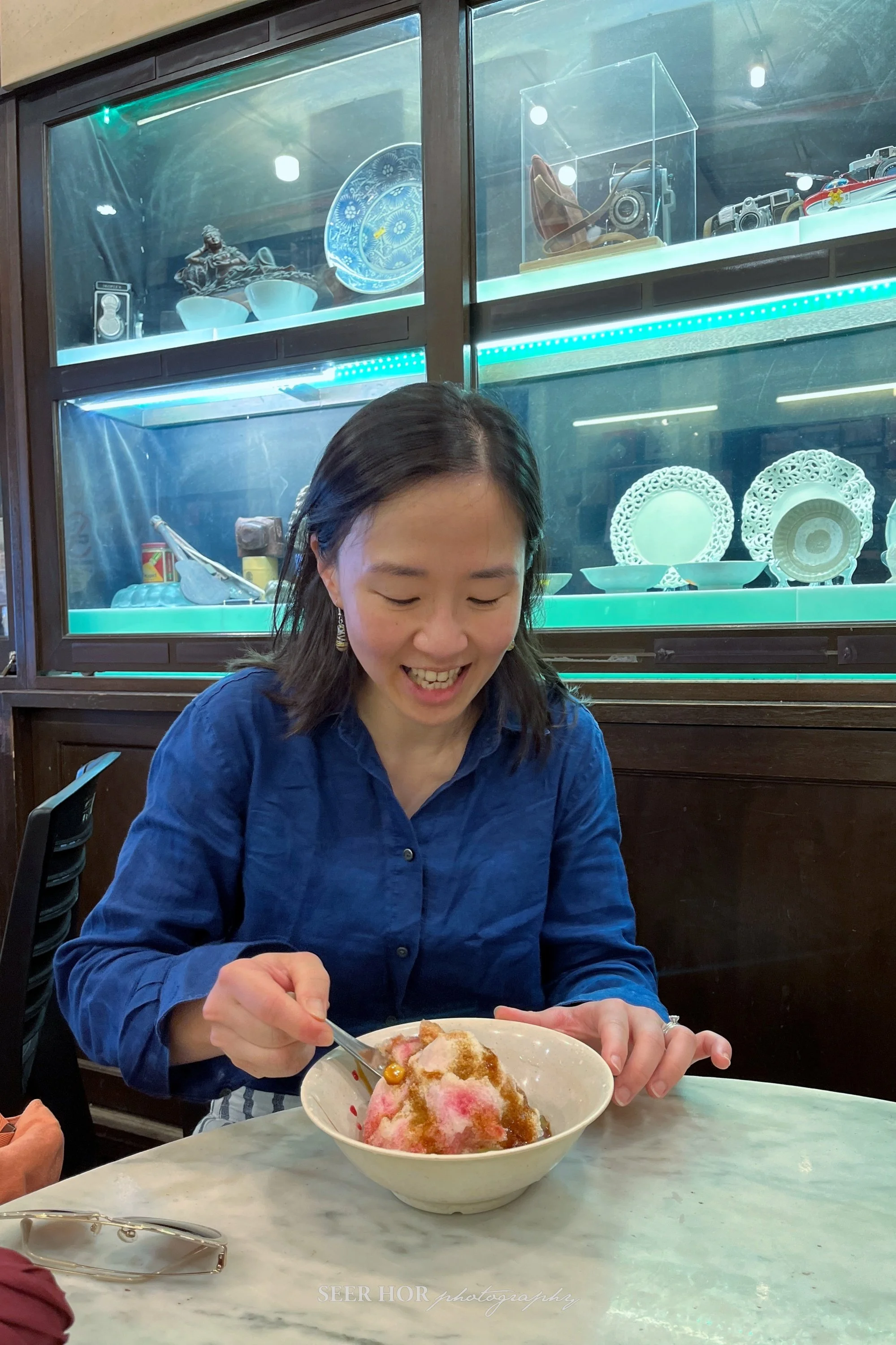
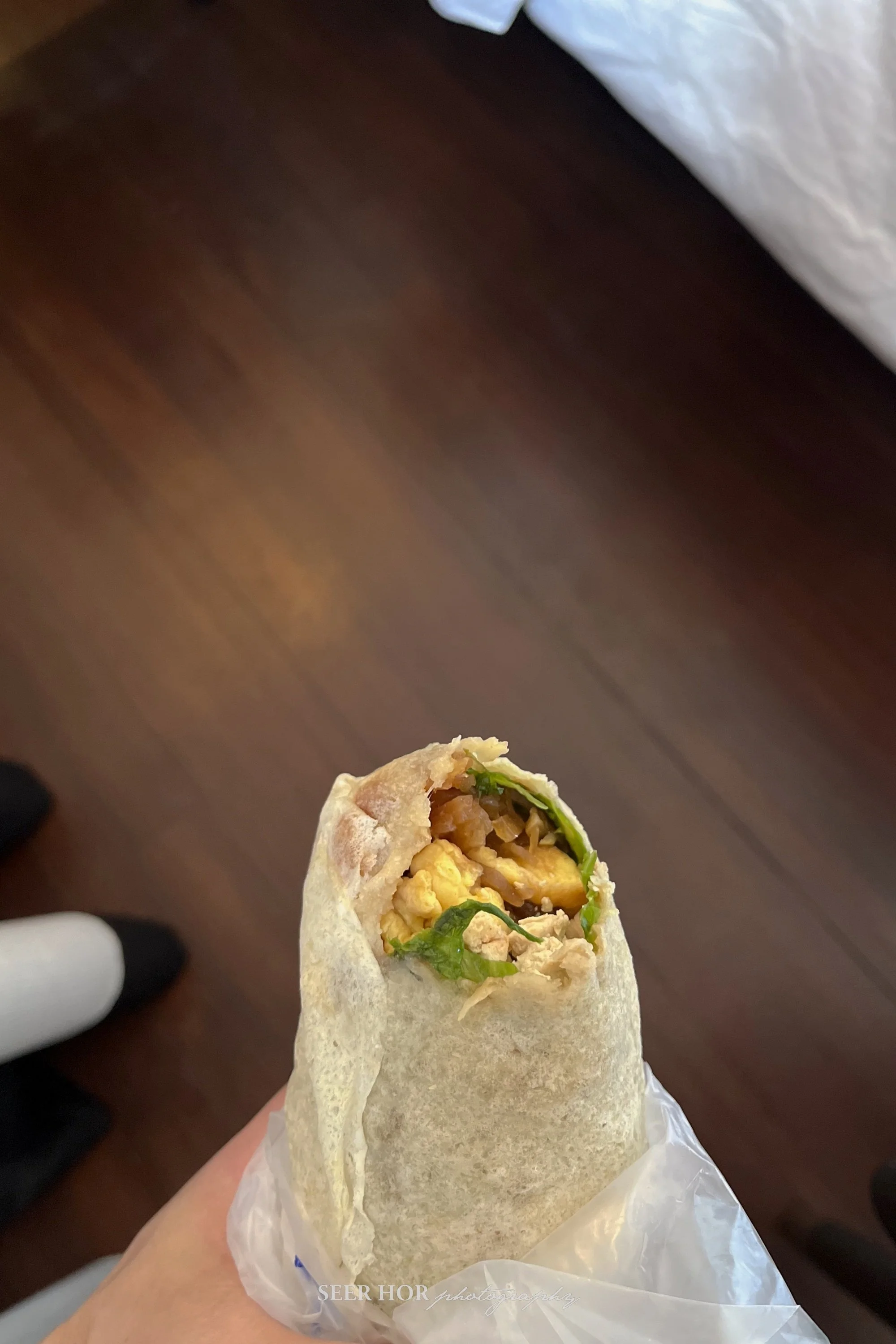
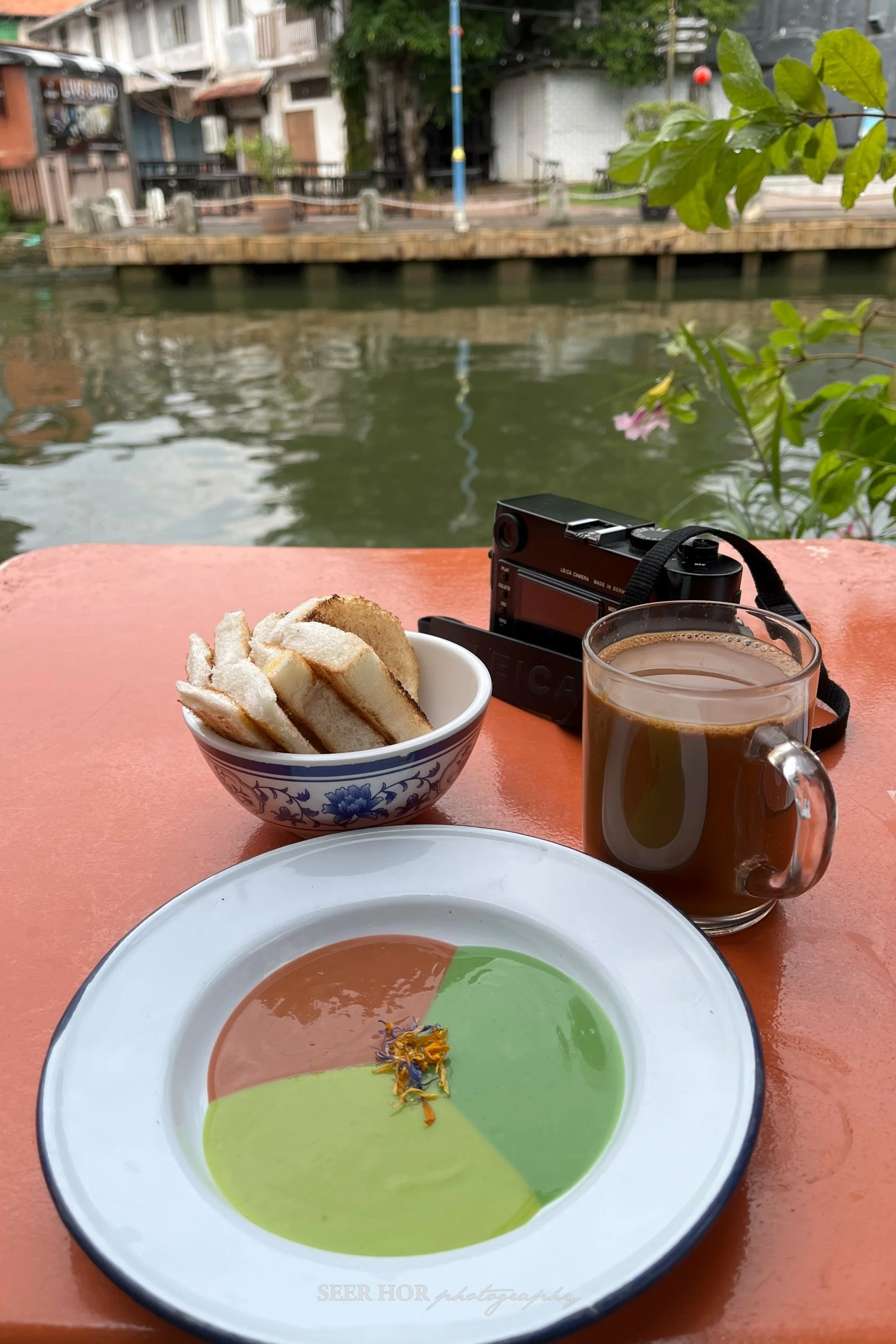
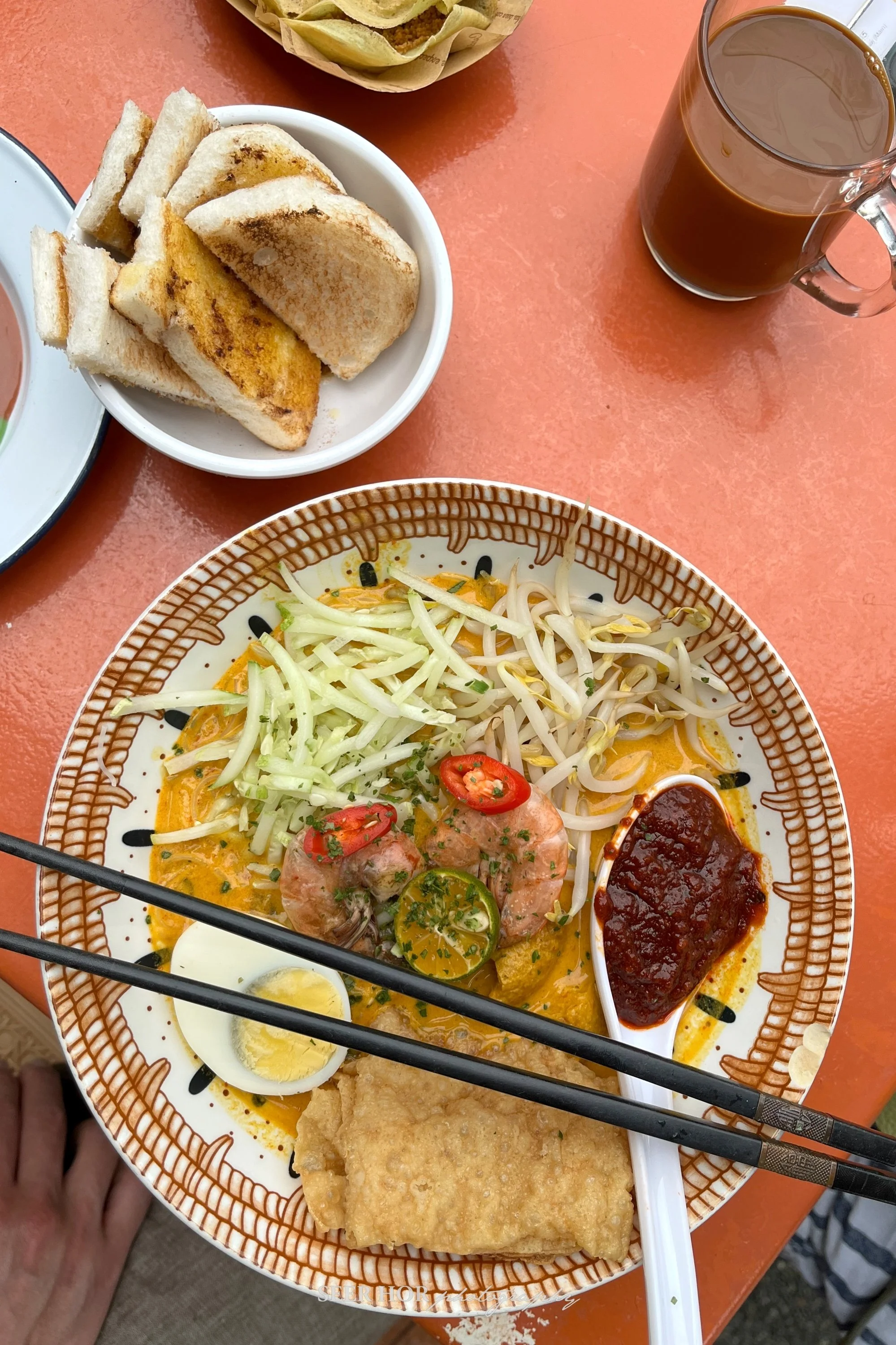
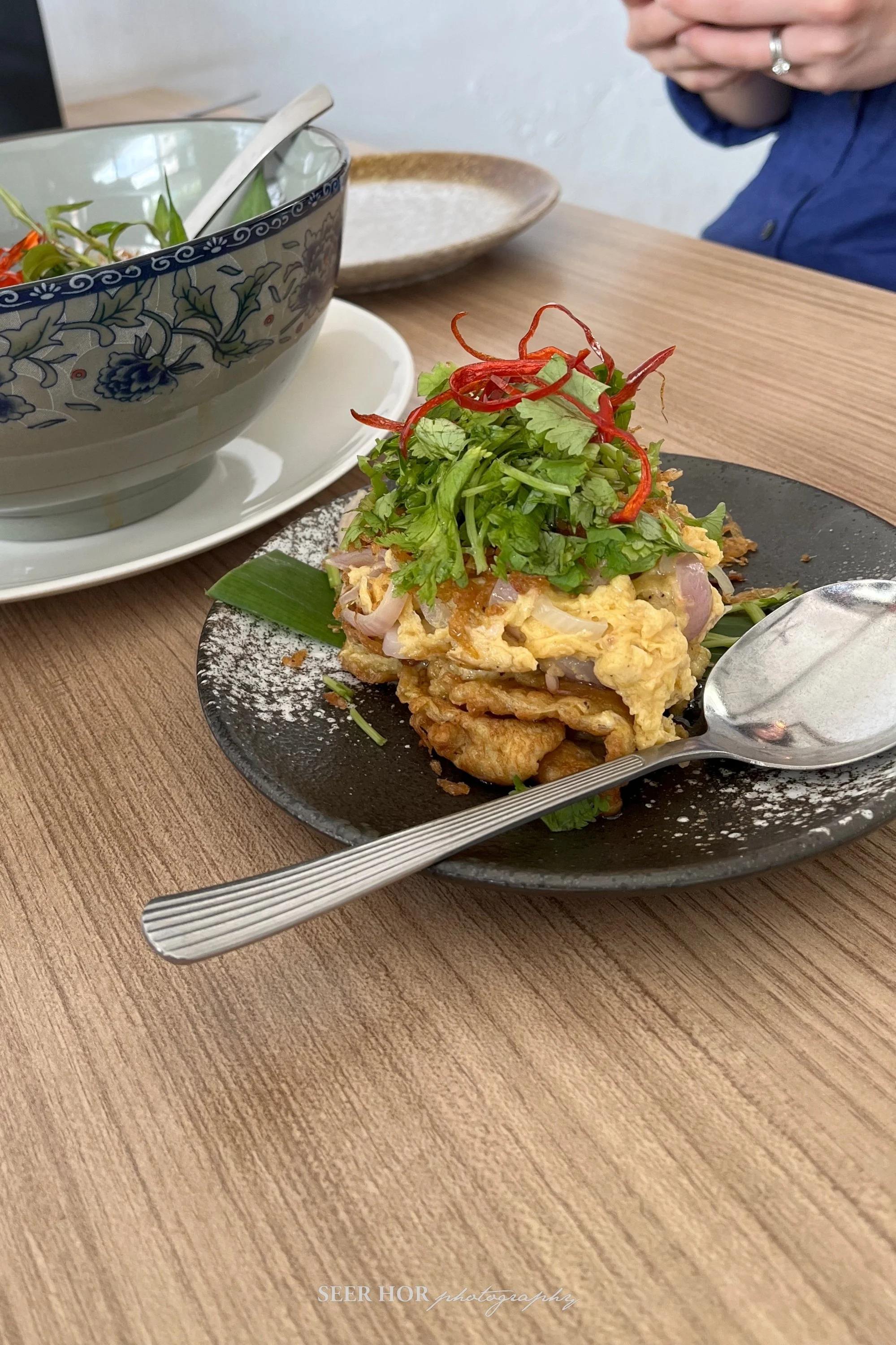
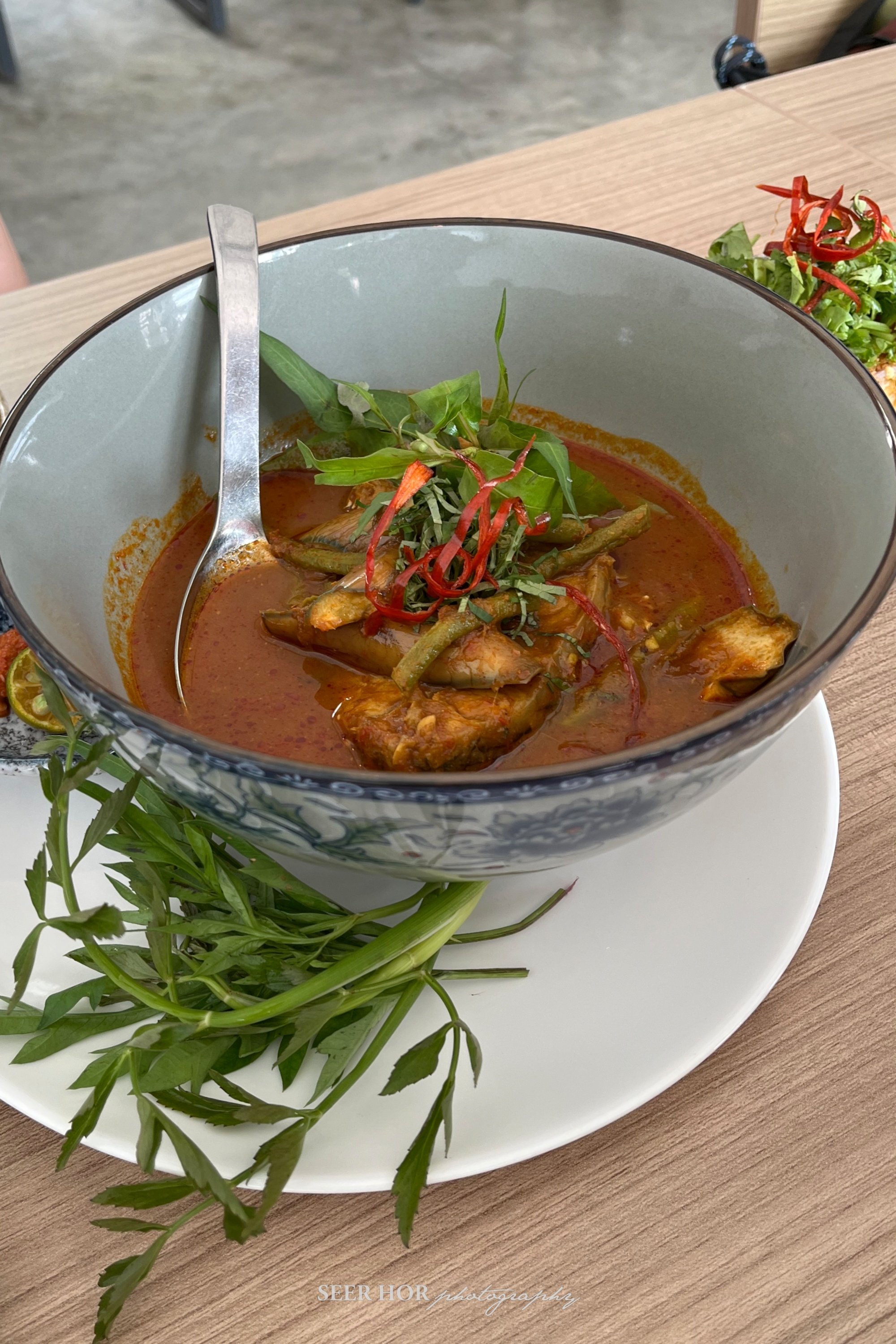
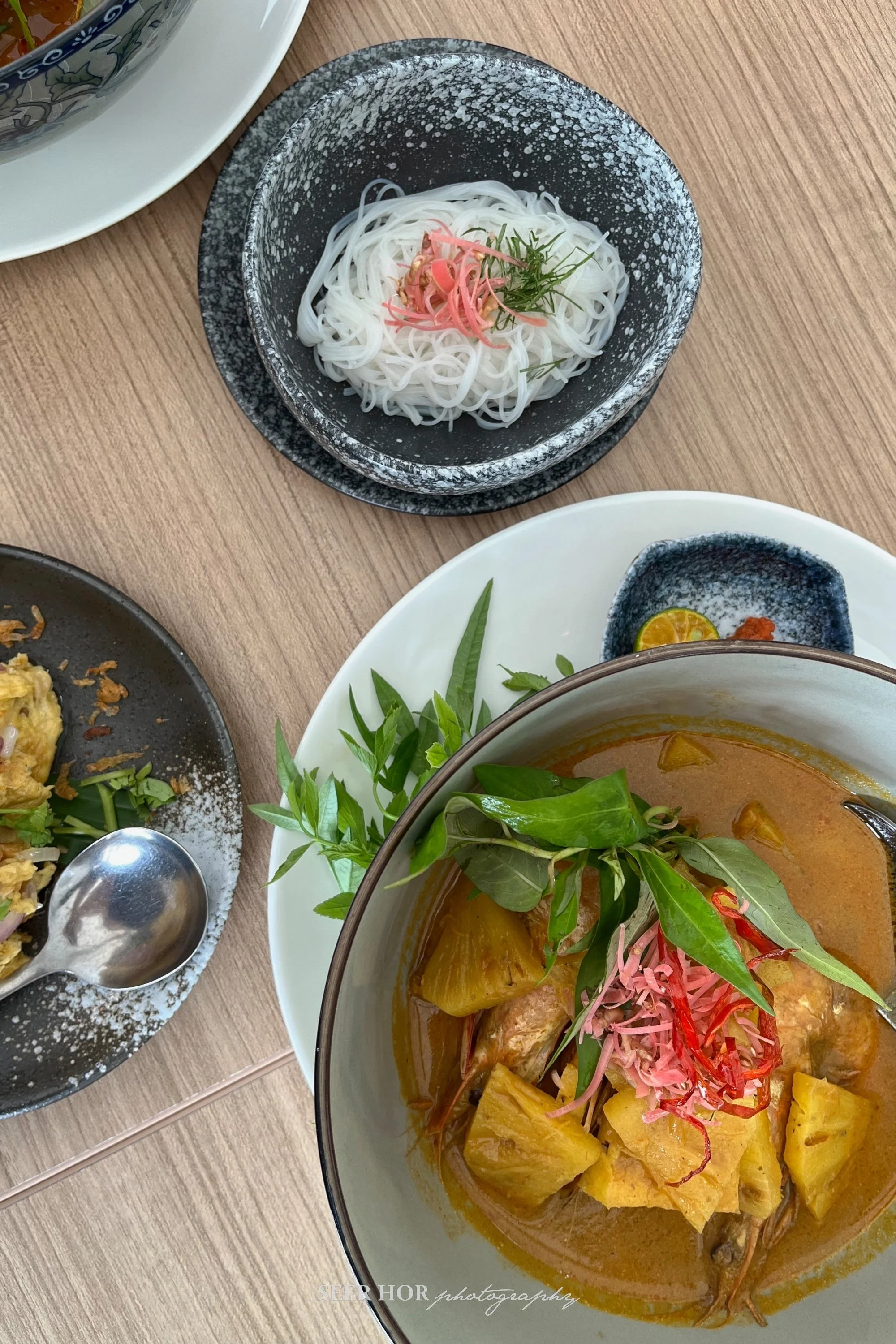
Peranakan culture, also known as Straits Chinese culture, is a lively mix of Chinese, Malay, and Indonesian influences that began in the 15th century. It developed as Chinese immigrants married local Malays. The men are known as Baba while the women are called Nyonya. During that period, vast majority of them did not covert to Islam. Therefore, a key part of this culture is its unique cuisine, famous for a blend of spices, methods and a few of the traditional dishes includes pork. Dishes like laksa, rendang, and popiah are known for their strong flavors. More unique Peranakan dishes are daging buah keluak, sambal petai and samba tummies. It was not a secret that Babas and Nyonyas like their chillies.
Traditional clothing includes sarongs for men, while women wear beautifully embroidered kebayas, which show both style and social status. Language plays an important role too, with many Peranakans speaking Baba Malay, a mix of Malay and Chinese dialects. The culture is also known for its arts and crafts, such as beadwork and traditional music. Celebrations often combine Chinese and Malay customs, especially in weddings, showcasing the community's rich heritage. Overall, Peranakan culture represents a harmonious blend of old traditions and new ideas, highlighting the historical connections among different ethnic groups in Southeast Asia. Its ongoing preservation enhances the multicultural richness of the region.
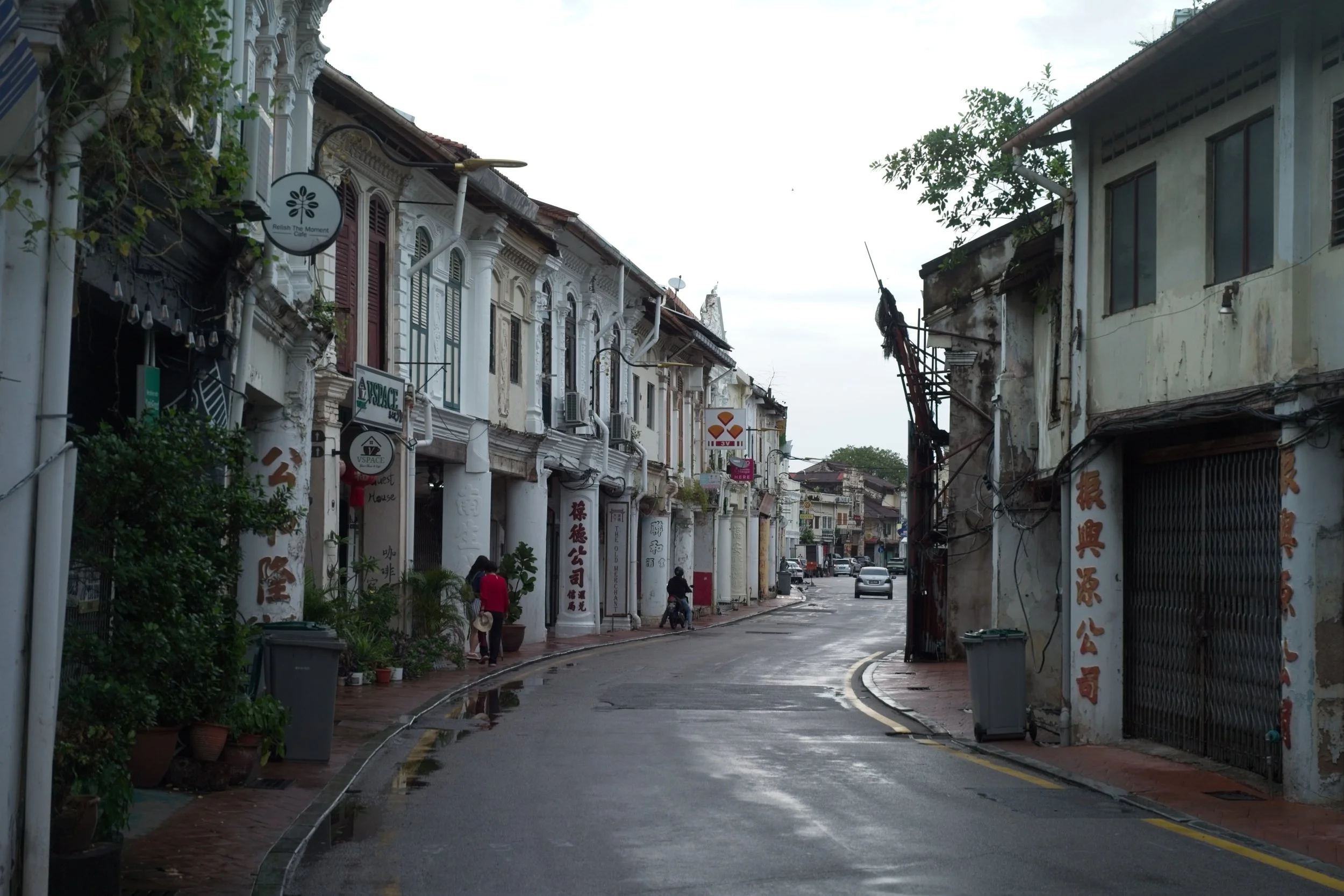
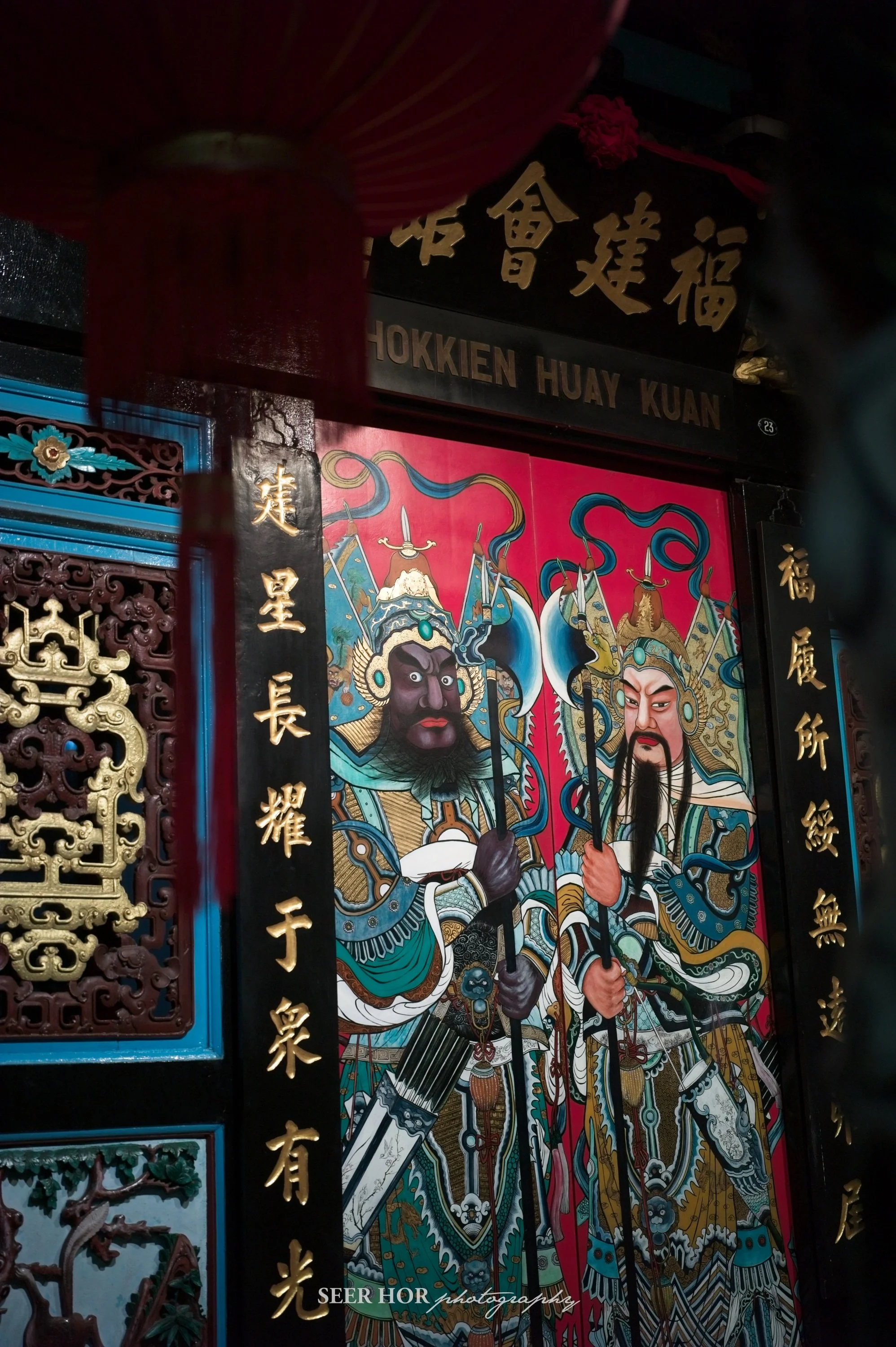
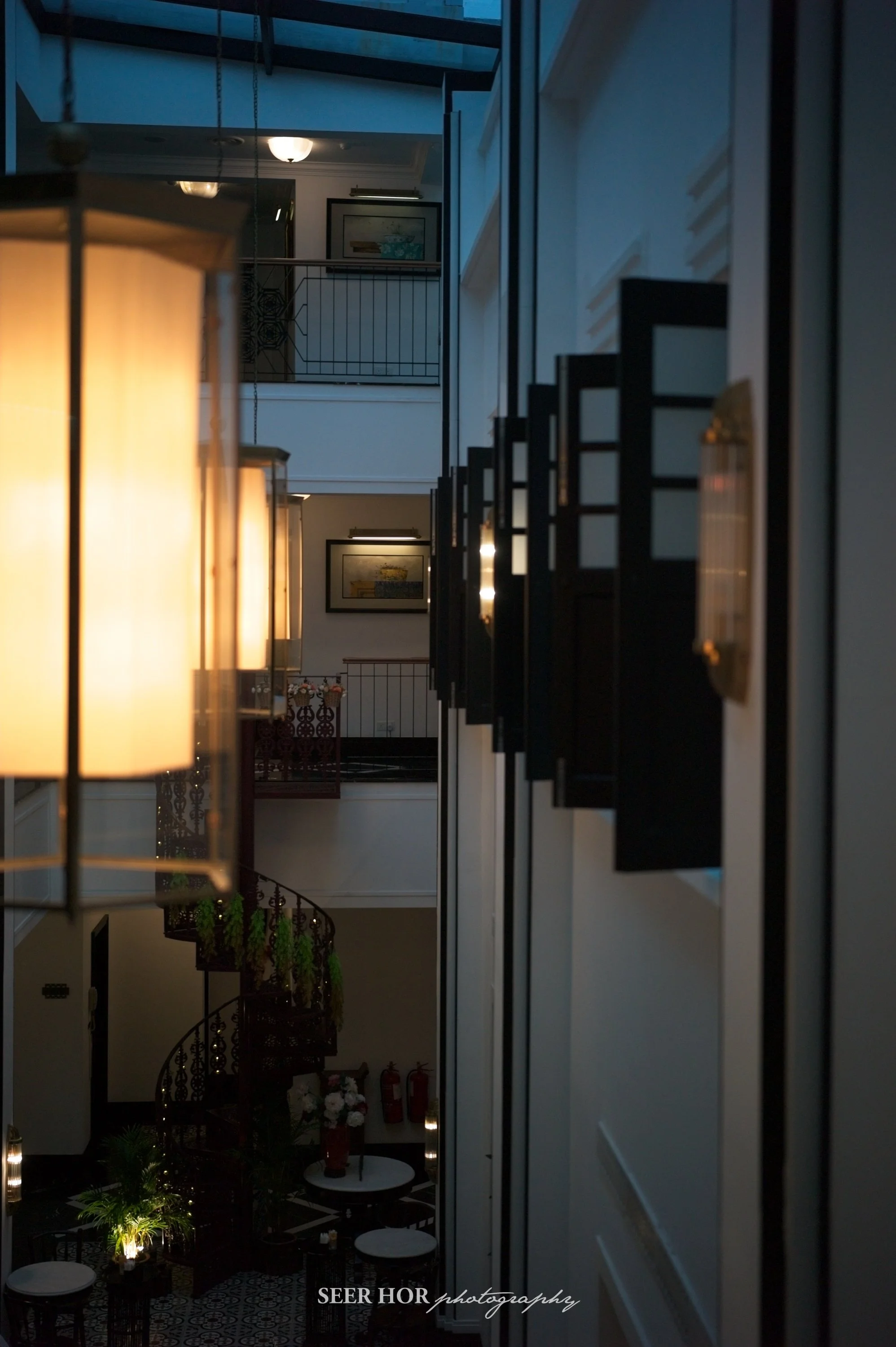
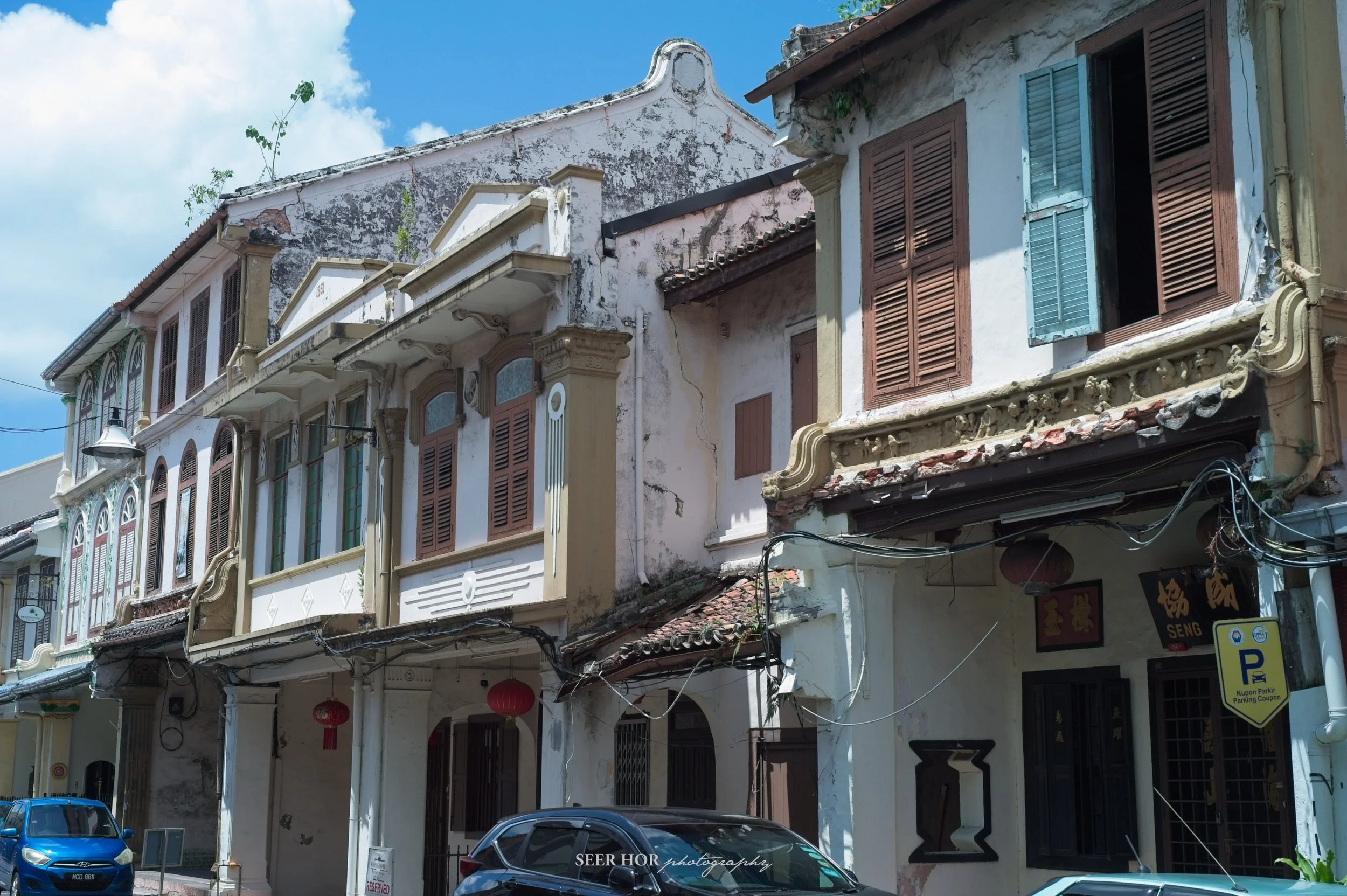
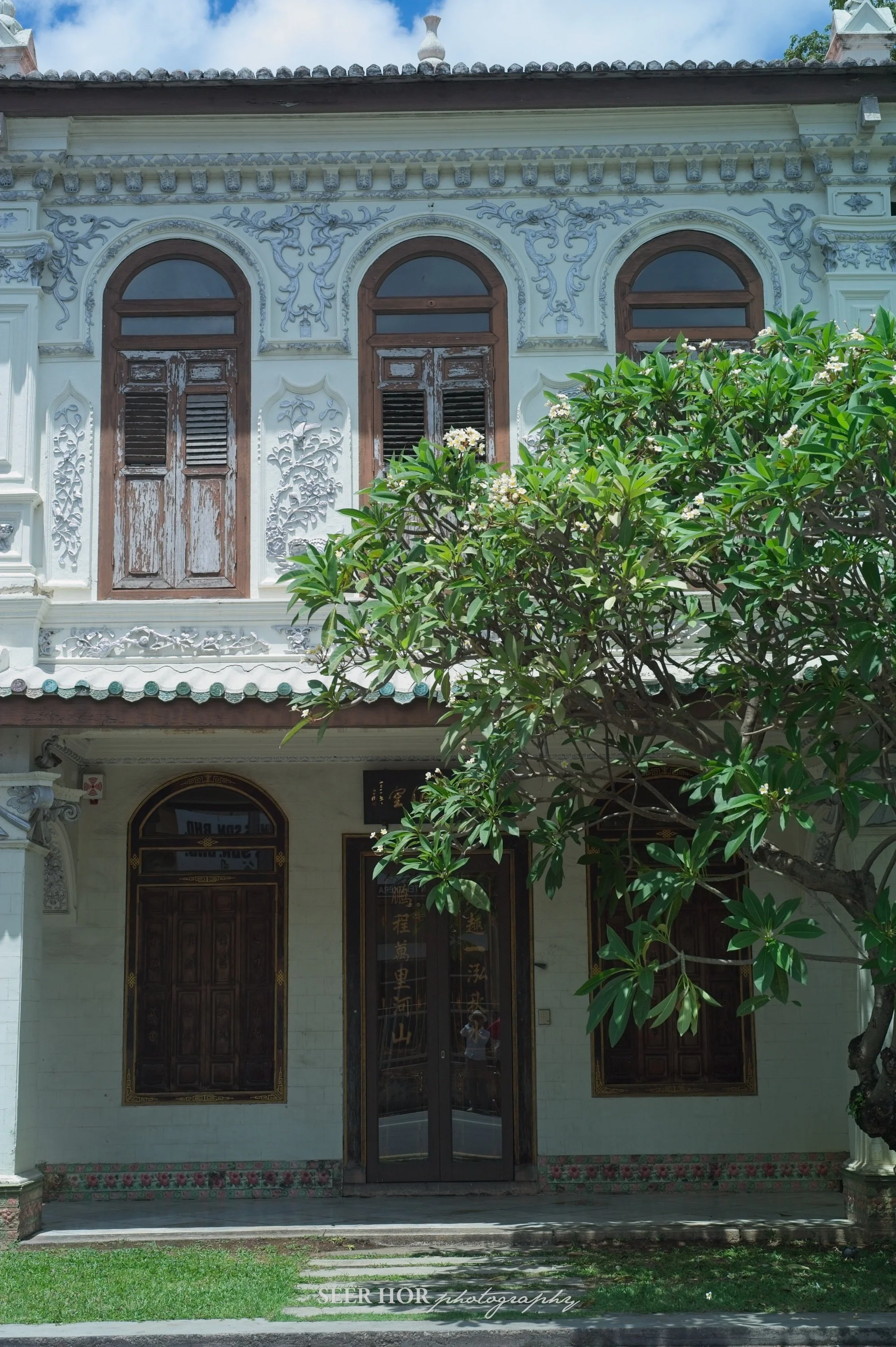
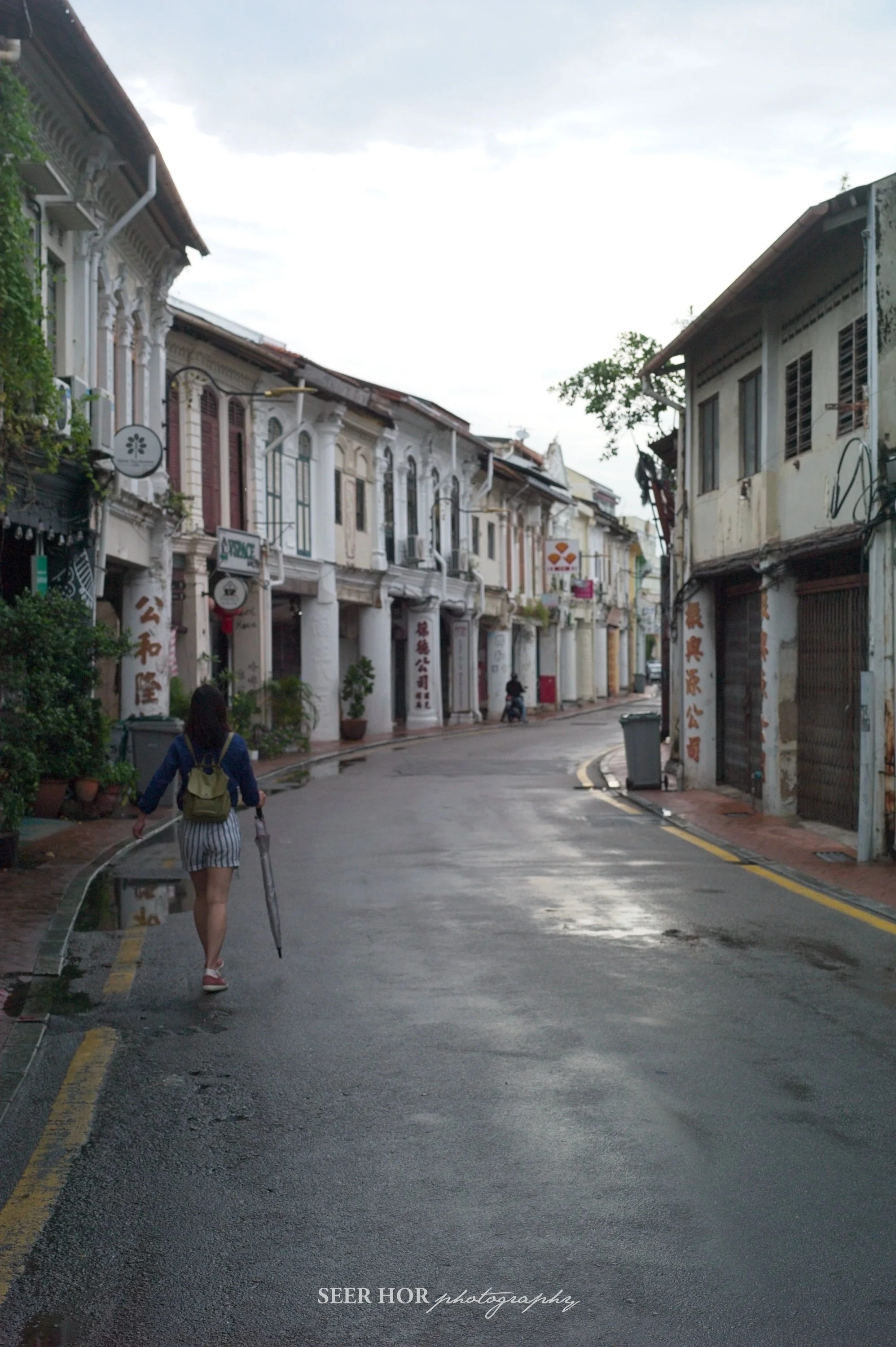
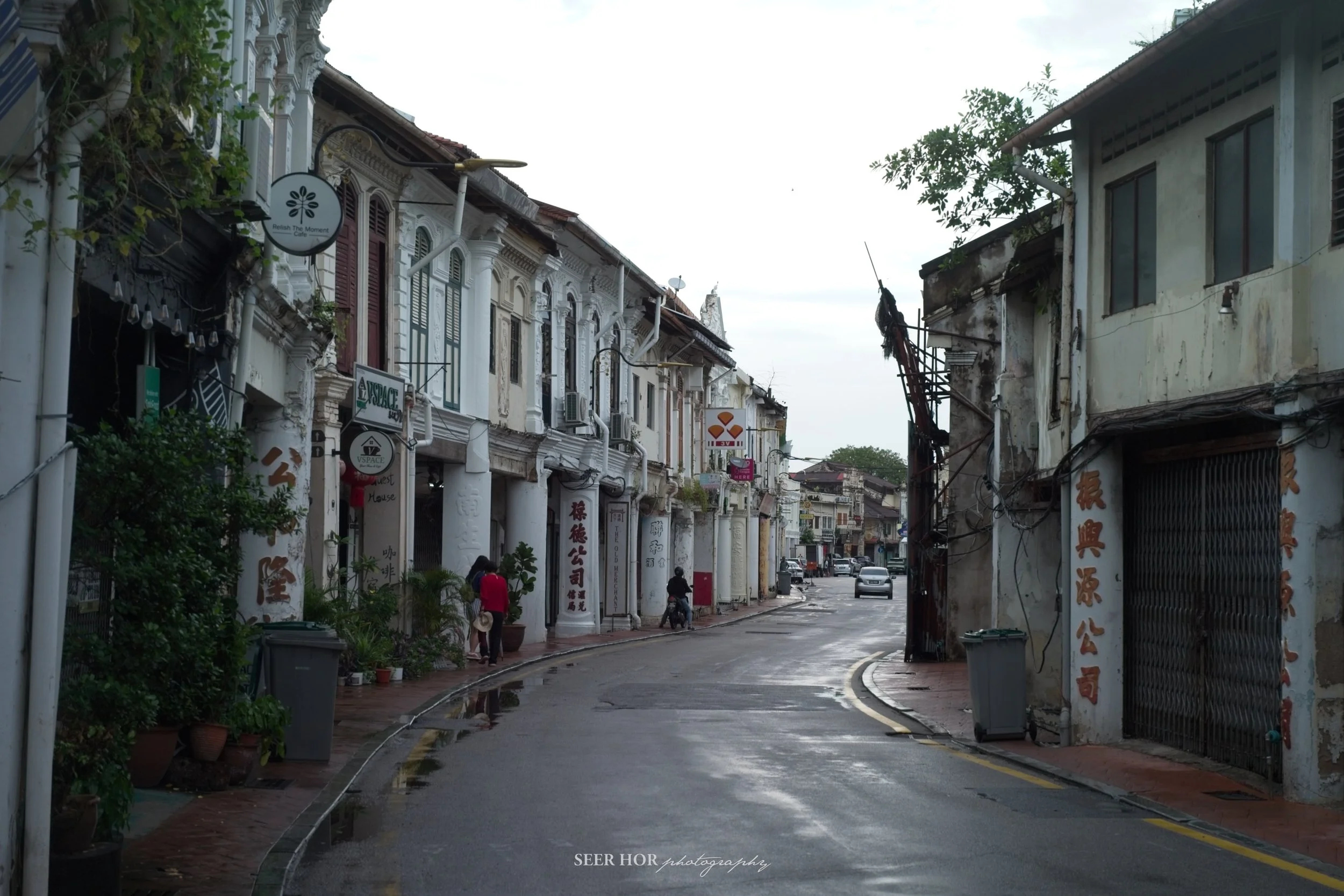
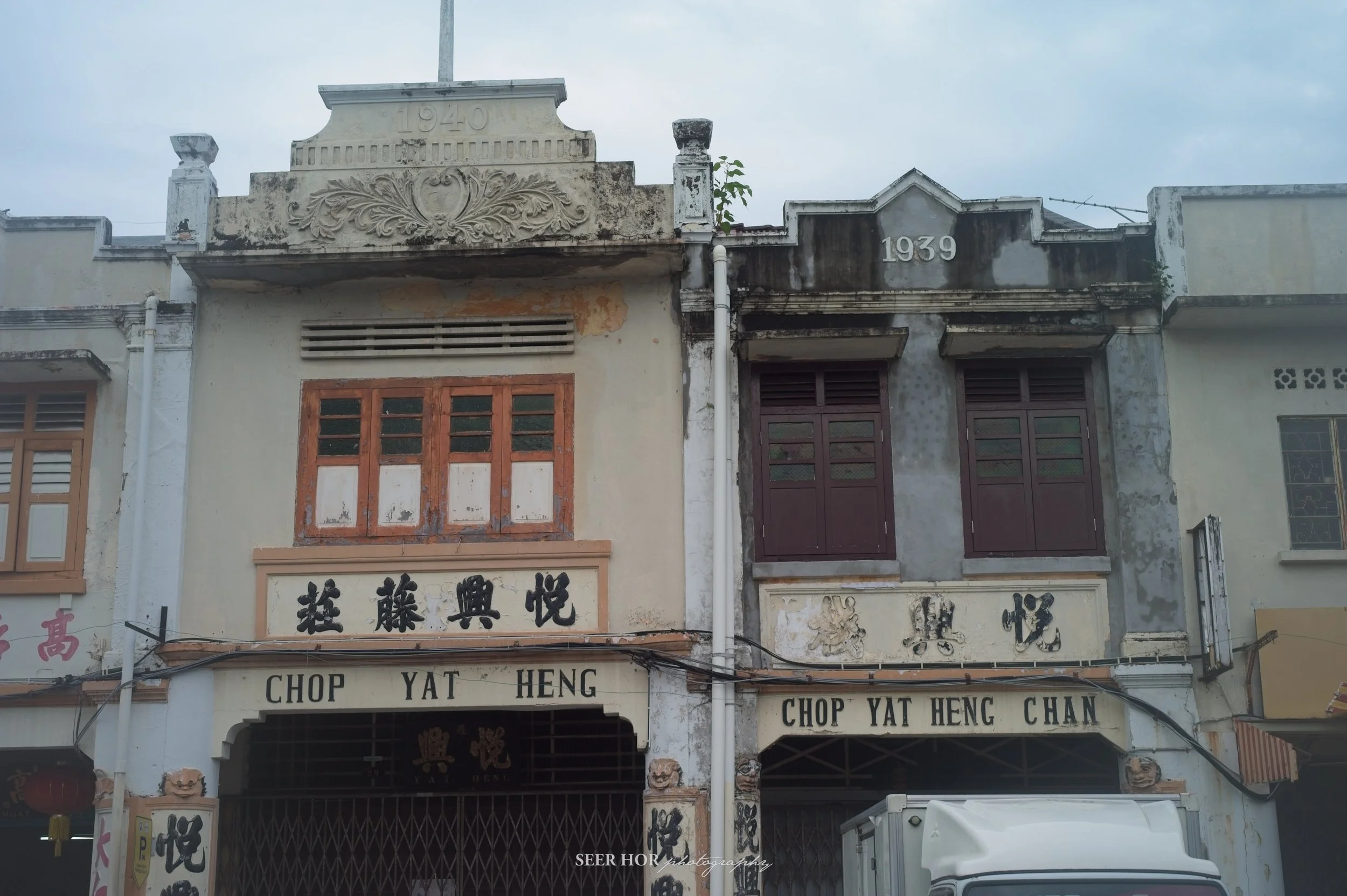
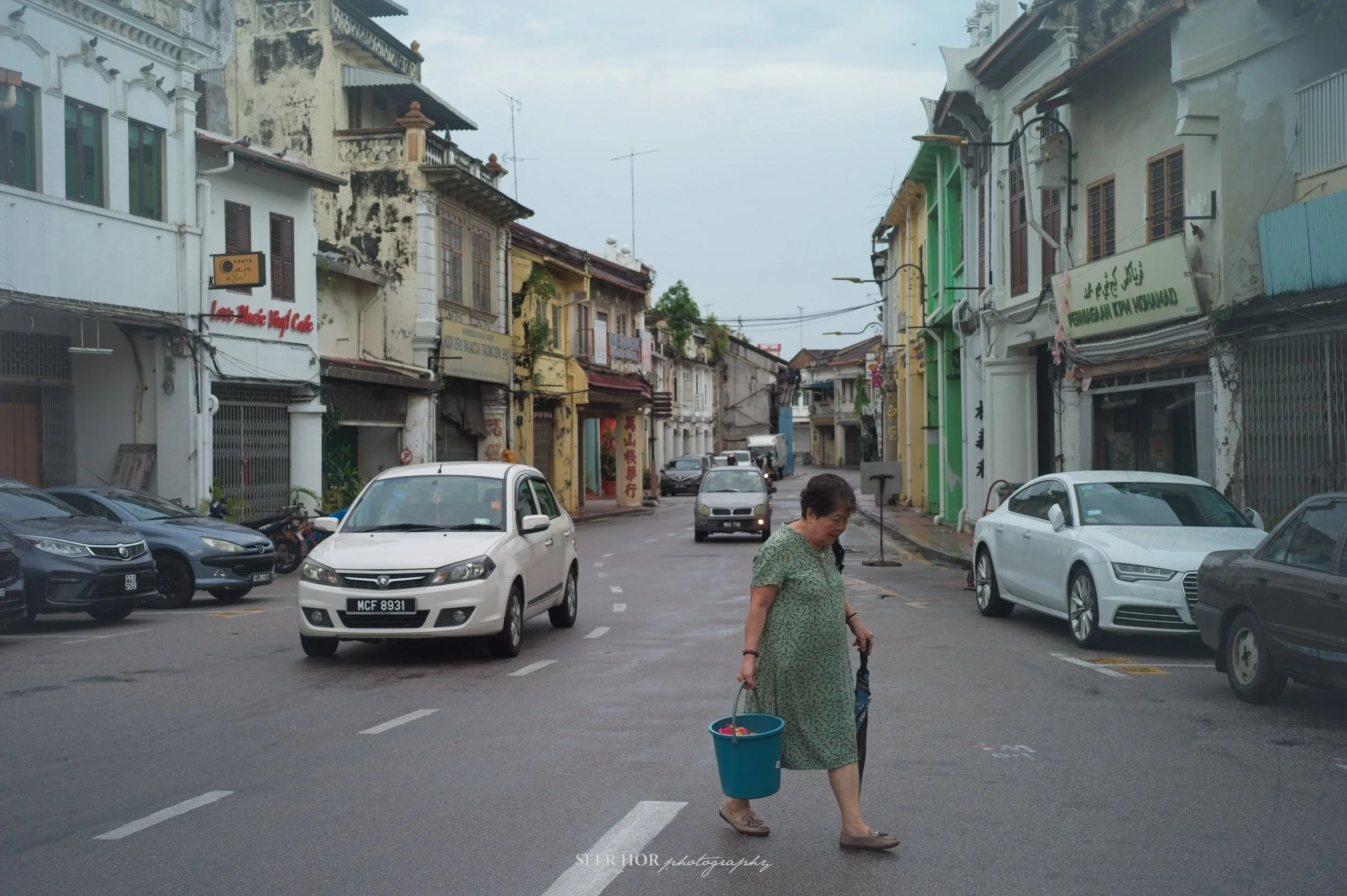
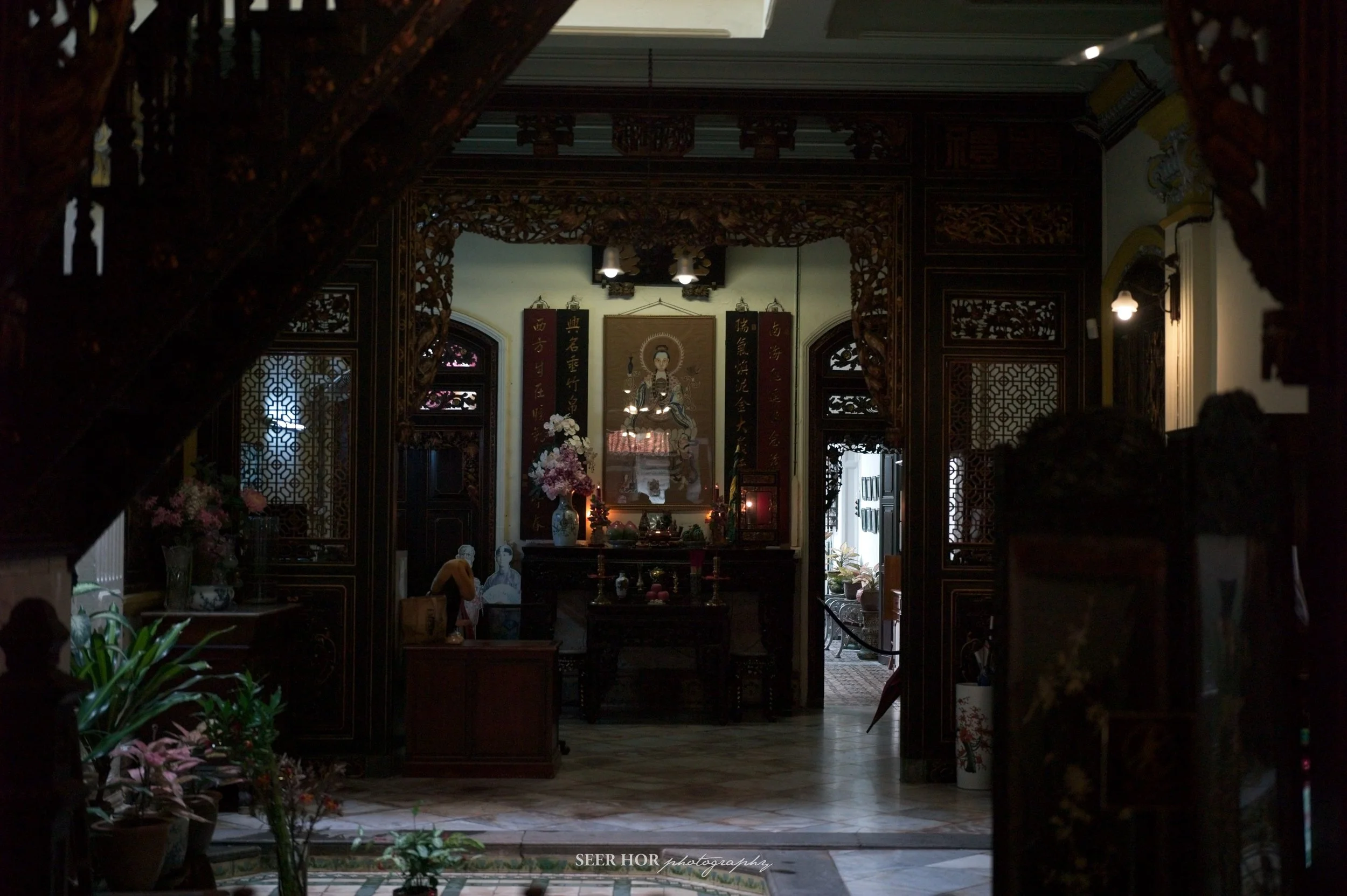
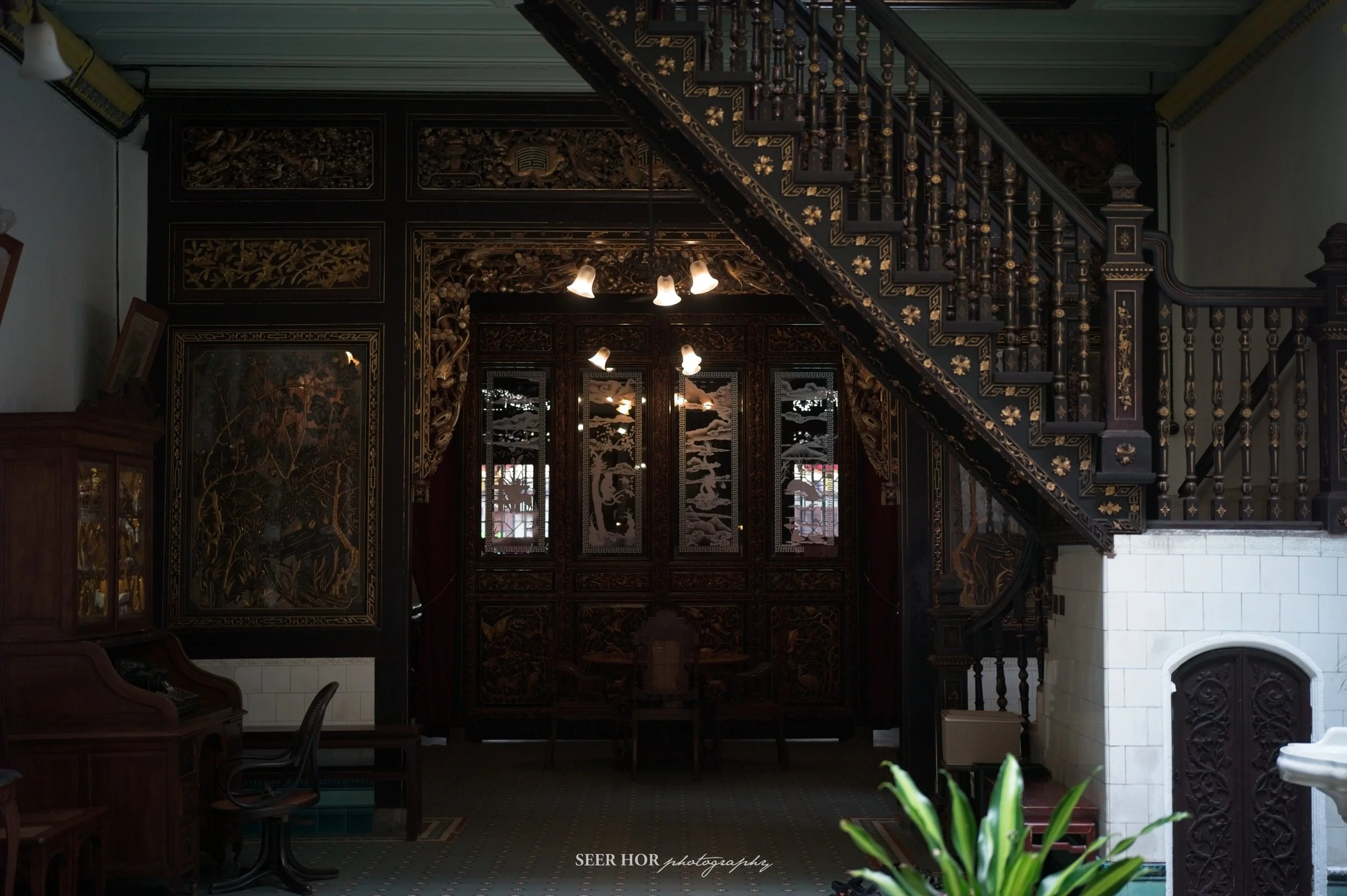
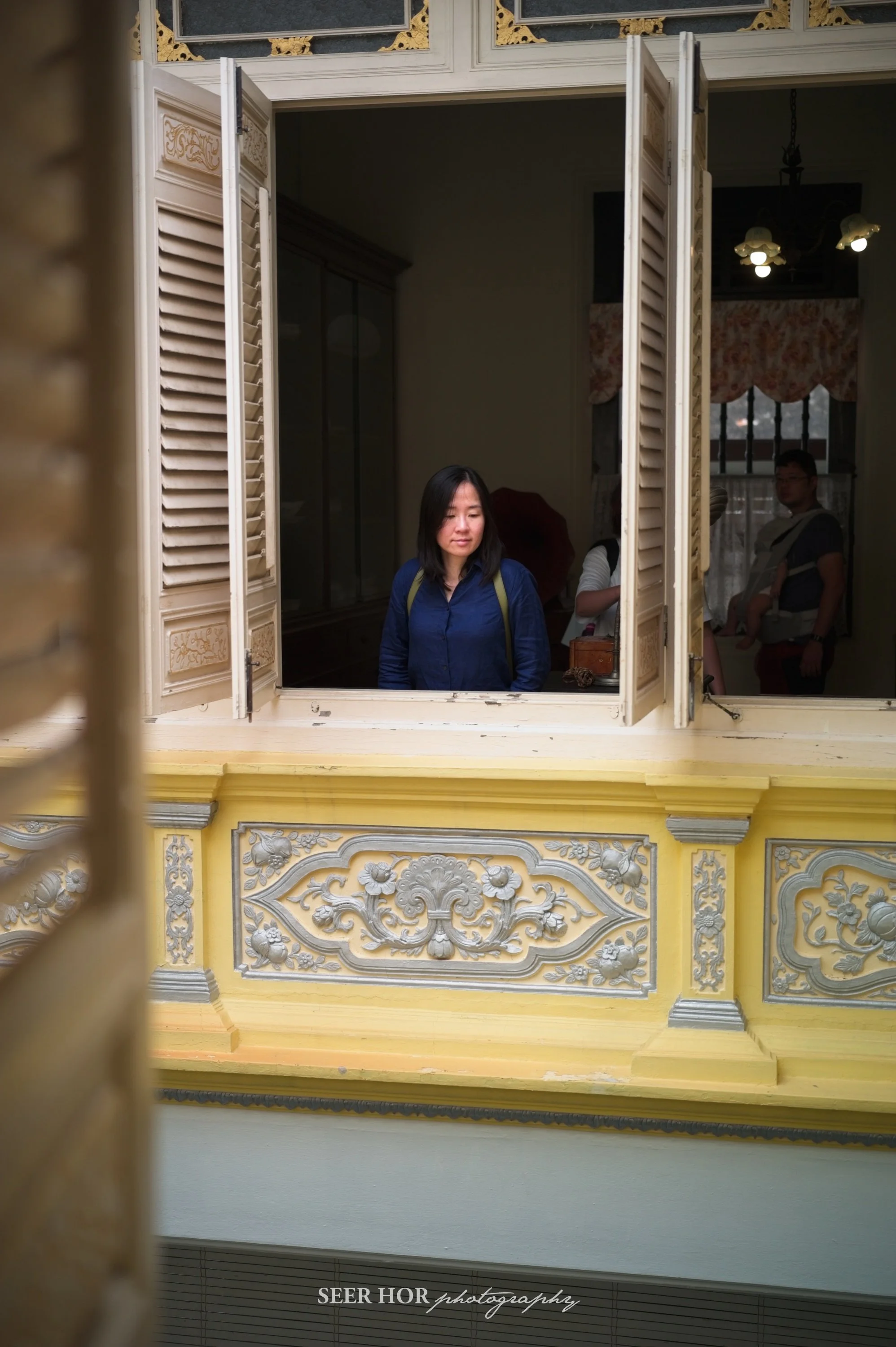
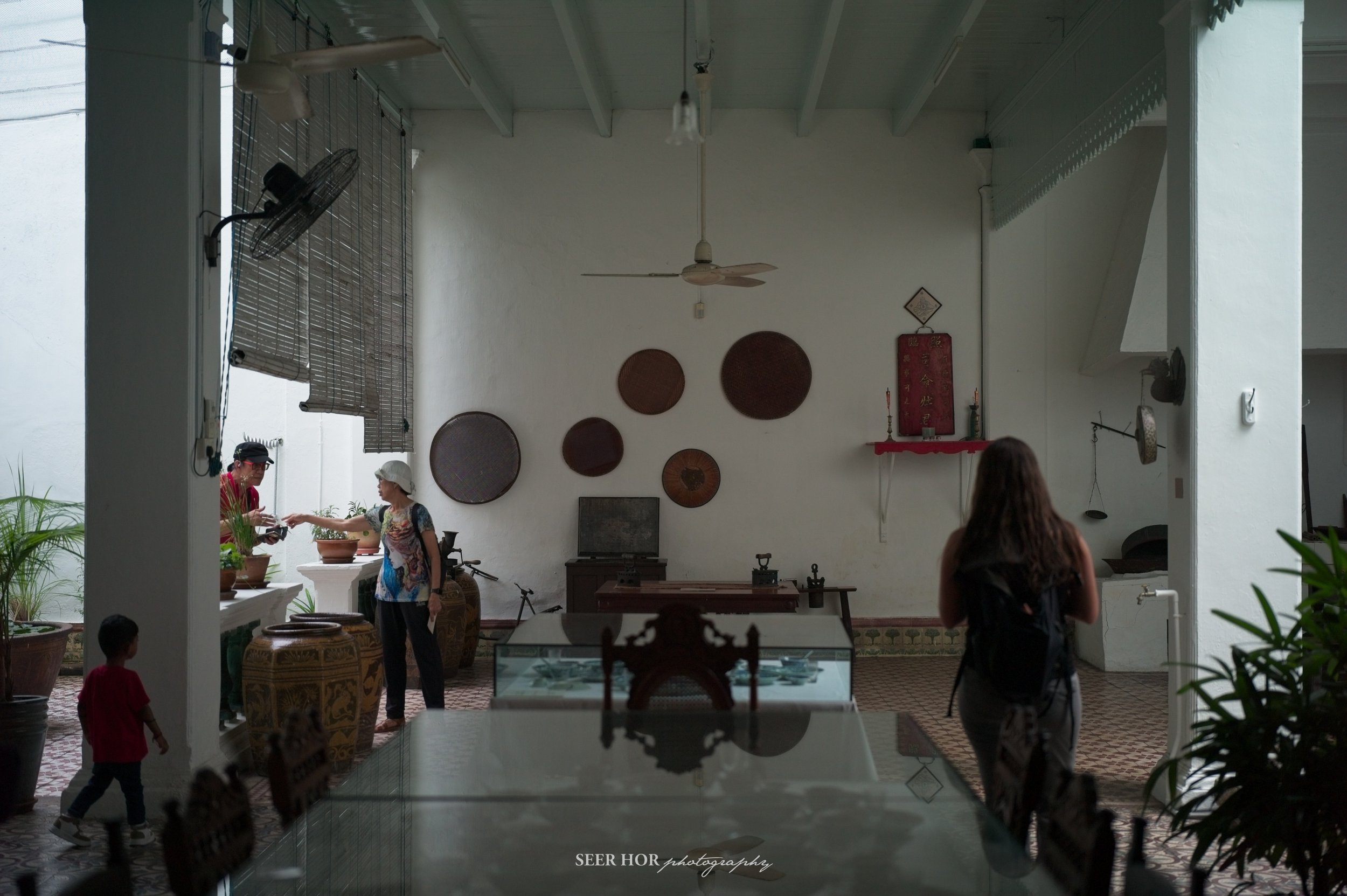
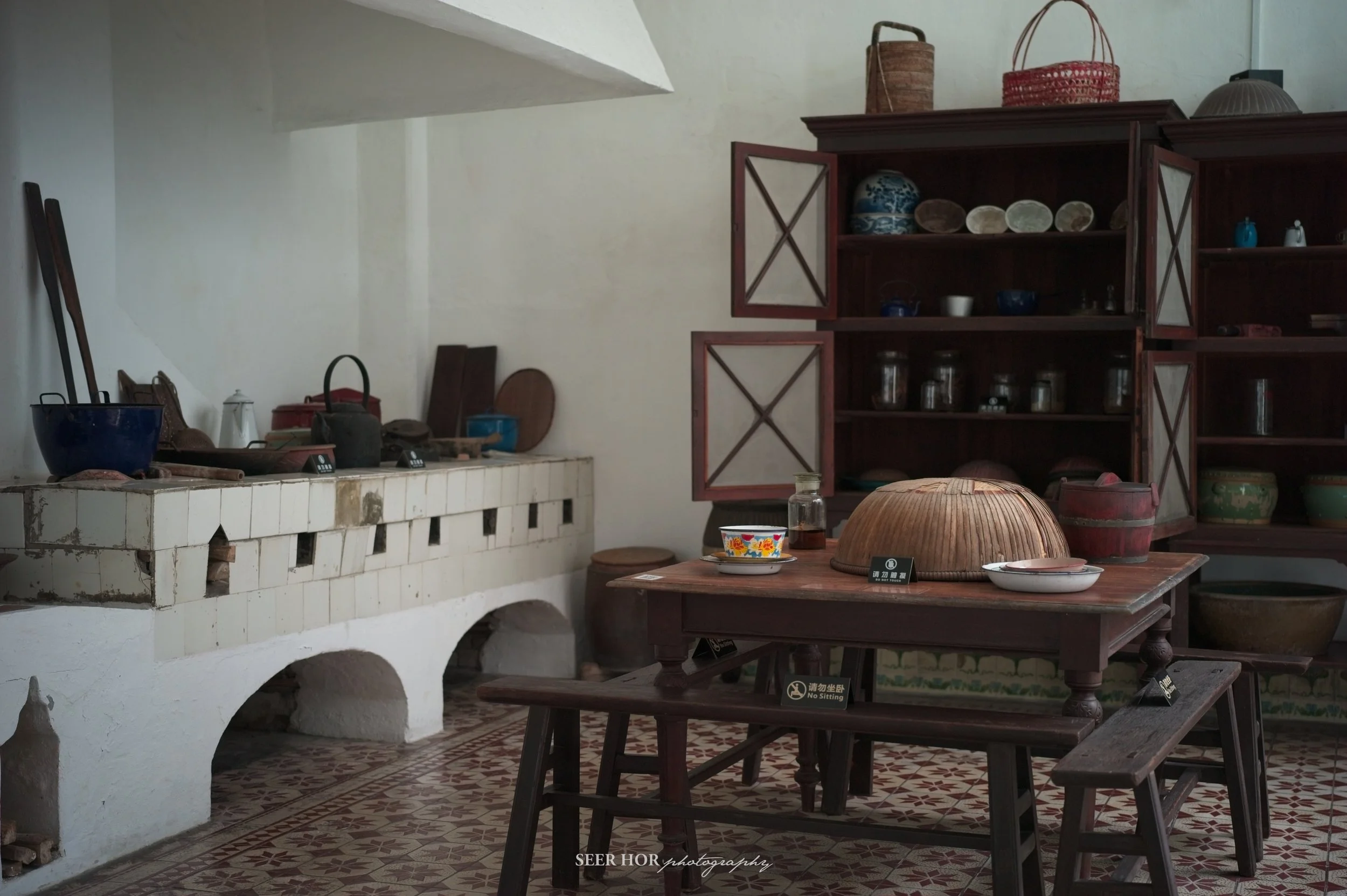
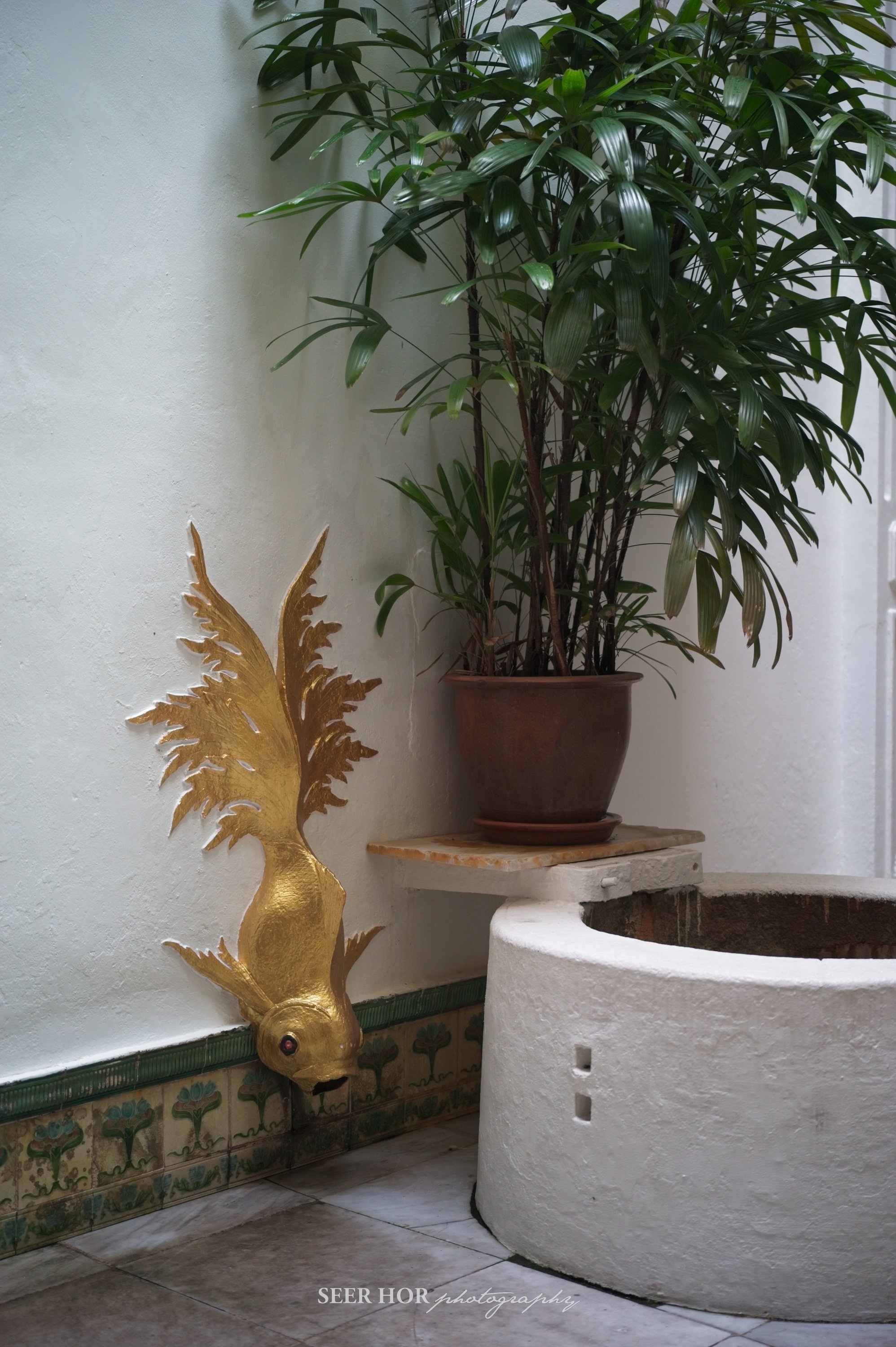
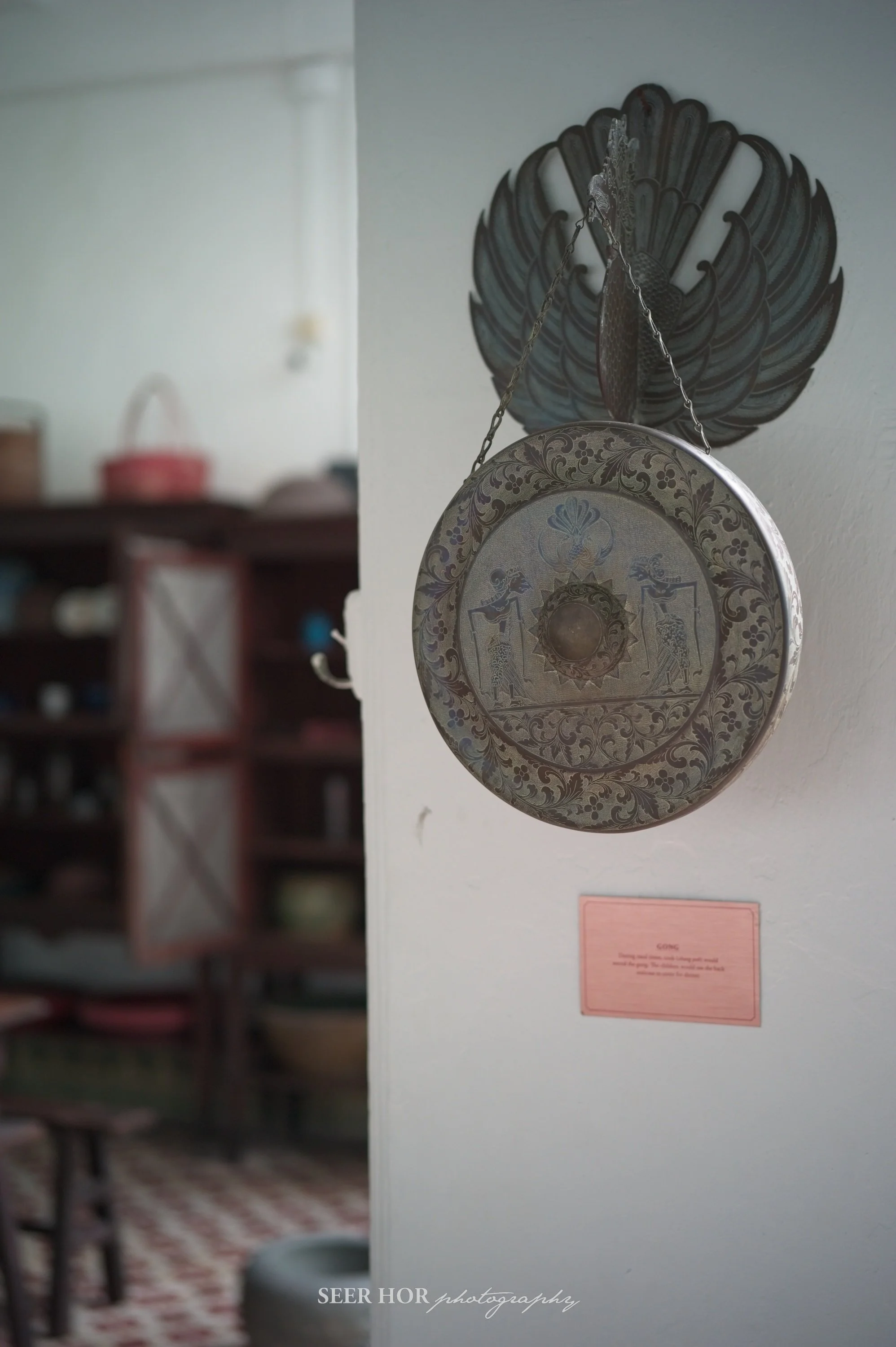
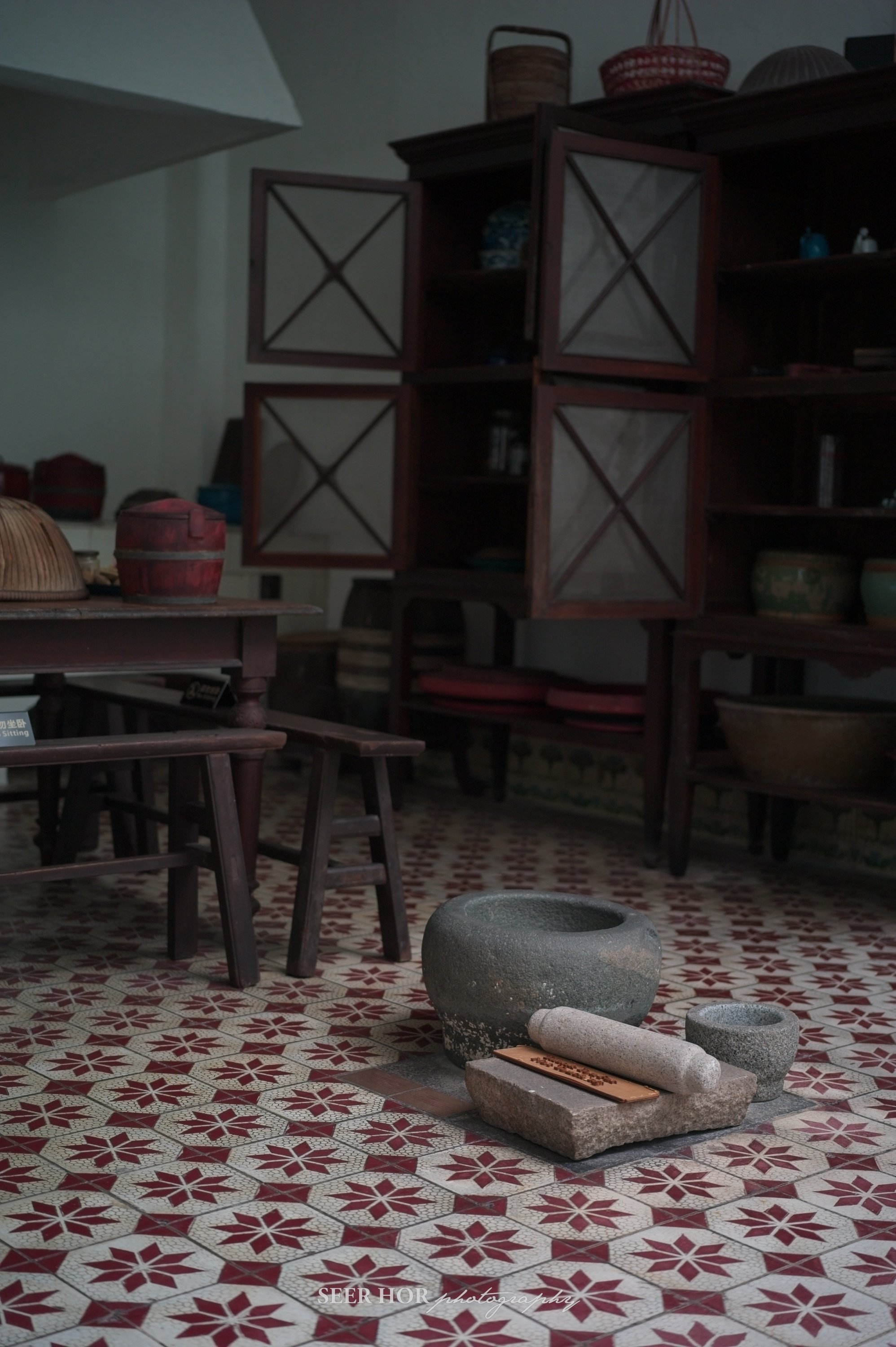
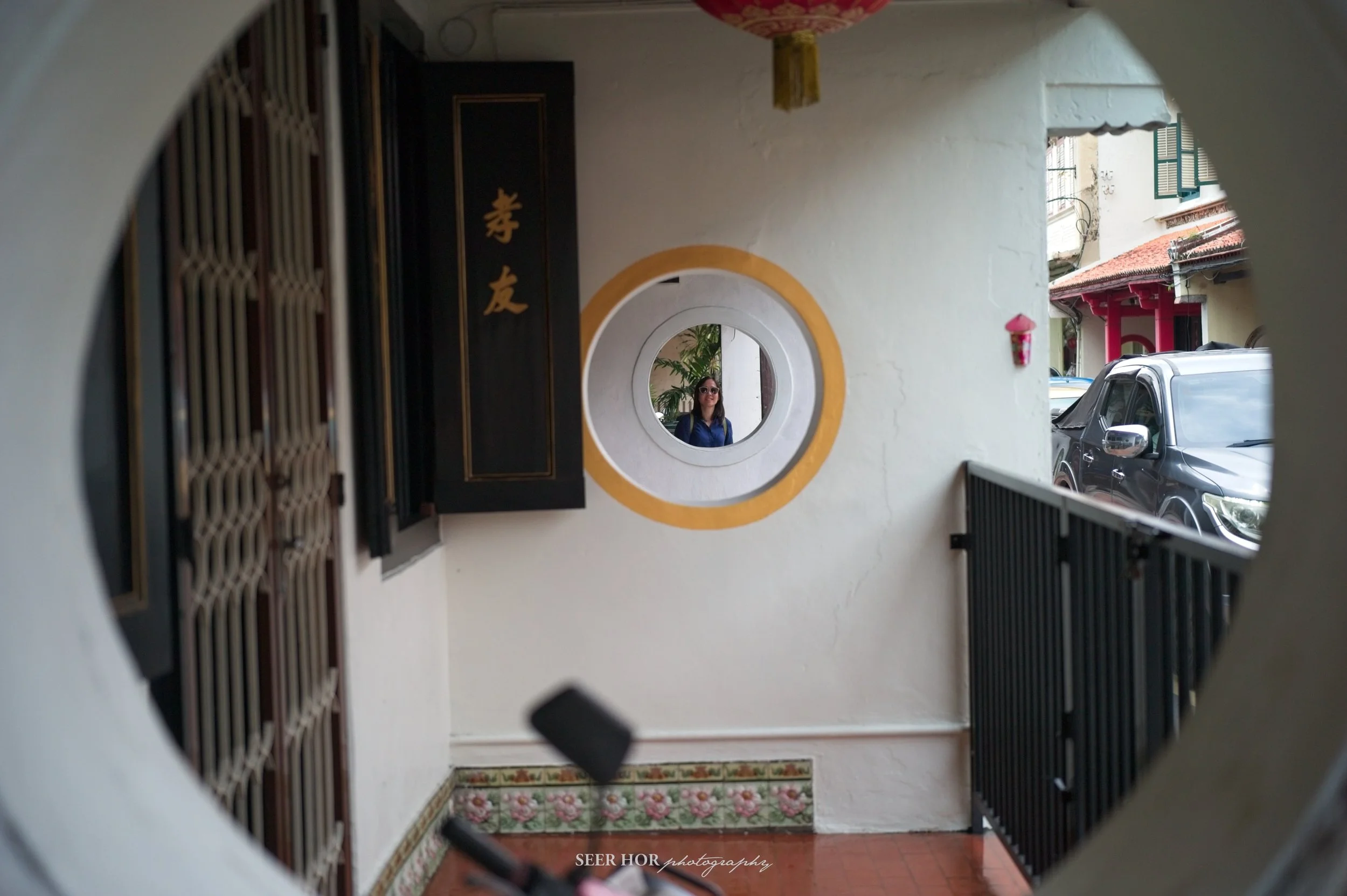
A Peranakan house is a distinctive architectural style that reflects the Peranakan cultural. Characterised by its elaborate décor and craftsmanship, these houses often feature intricate carvings, vibrant tiles, and opulent furnishings, showcasing a blend of both Chinese and Malay influences. The layout of a Peranakan house was heavily influenced by Feng Shui and often adapted to suit tropical Malaysian climate. The shape was typically narrow and long because during the Dutch ruling, houses were taxed based on the width. The house typically includes a front hall, which serves as a gathering space, and is often adorned with ornate furniture and decorative items that illustrate the heritage and customs of the Peranakan community. One of the key feature of the front hall was a beautifully decorated screen to separate it from the residential part of the house. This is where the girls will peek when the Baba is having a meeting. This architectural form not only represents a historical lifestyle but also embodies the unique identity of the Peranakan people, celebrated for their culinary arts and rich traditions.
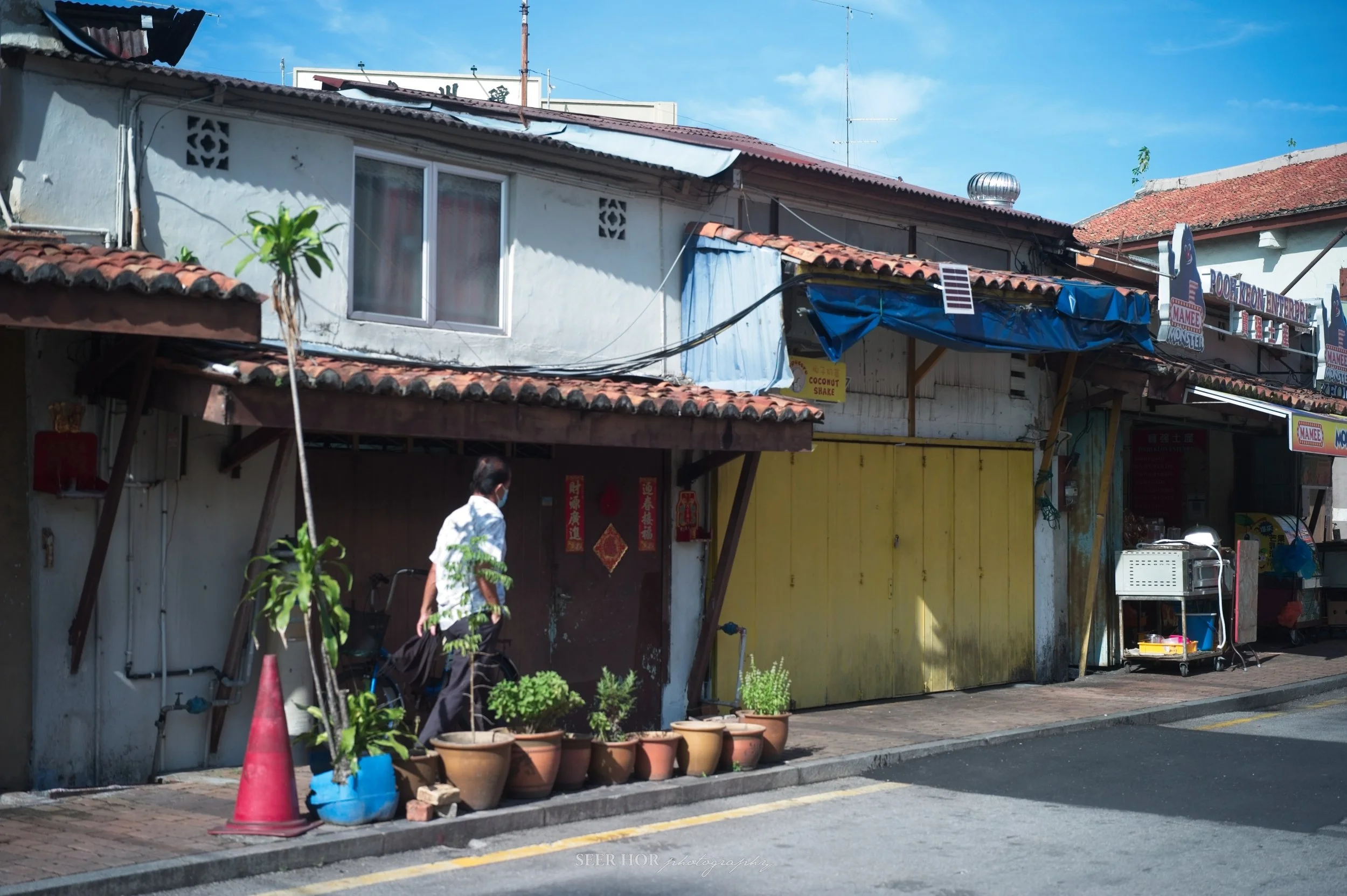
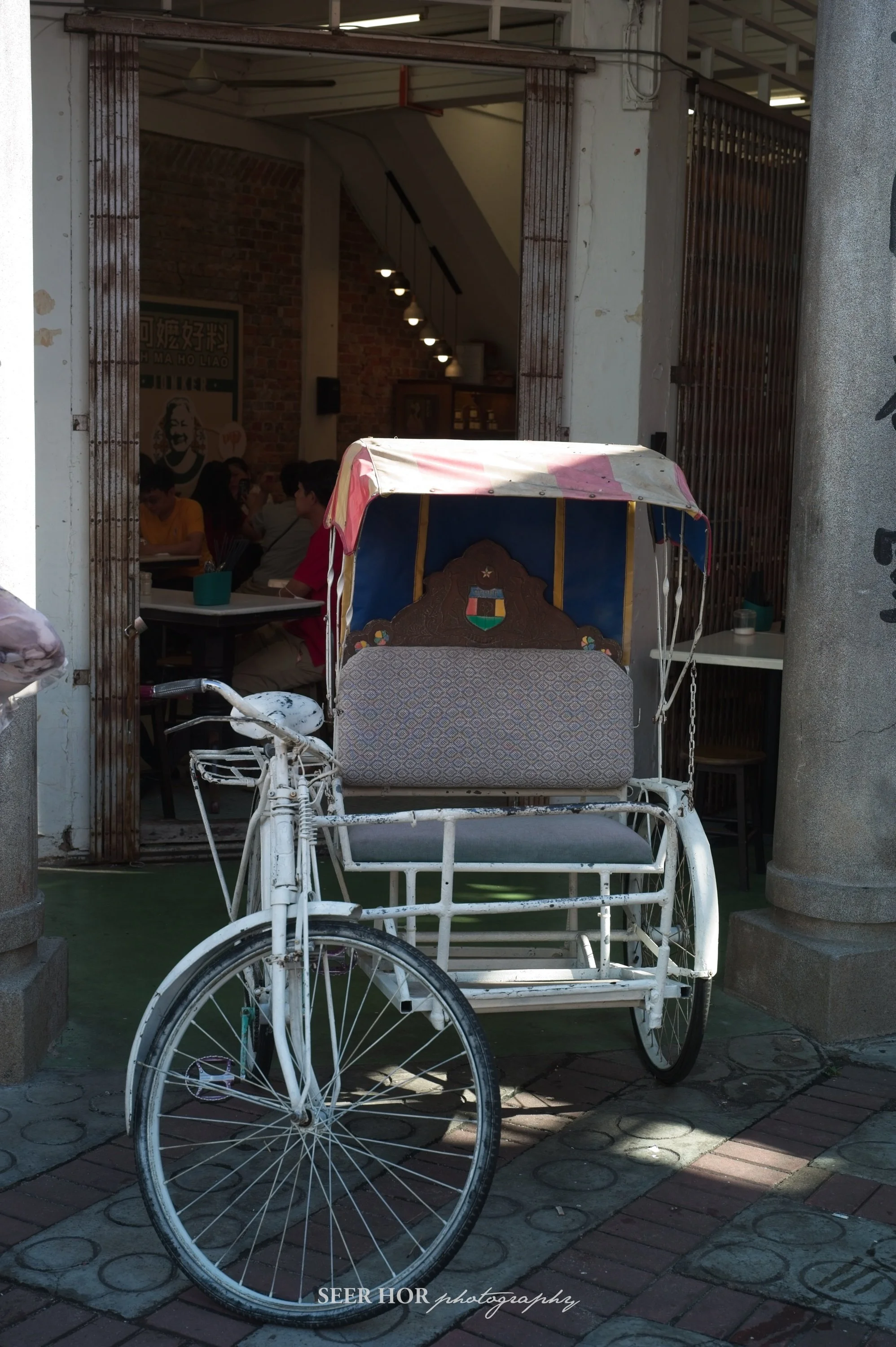
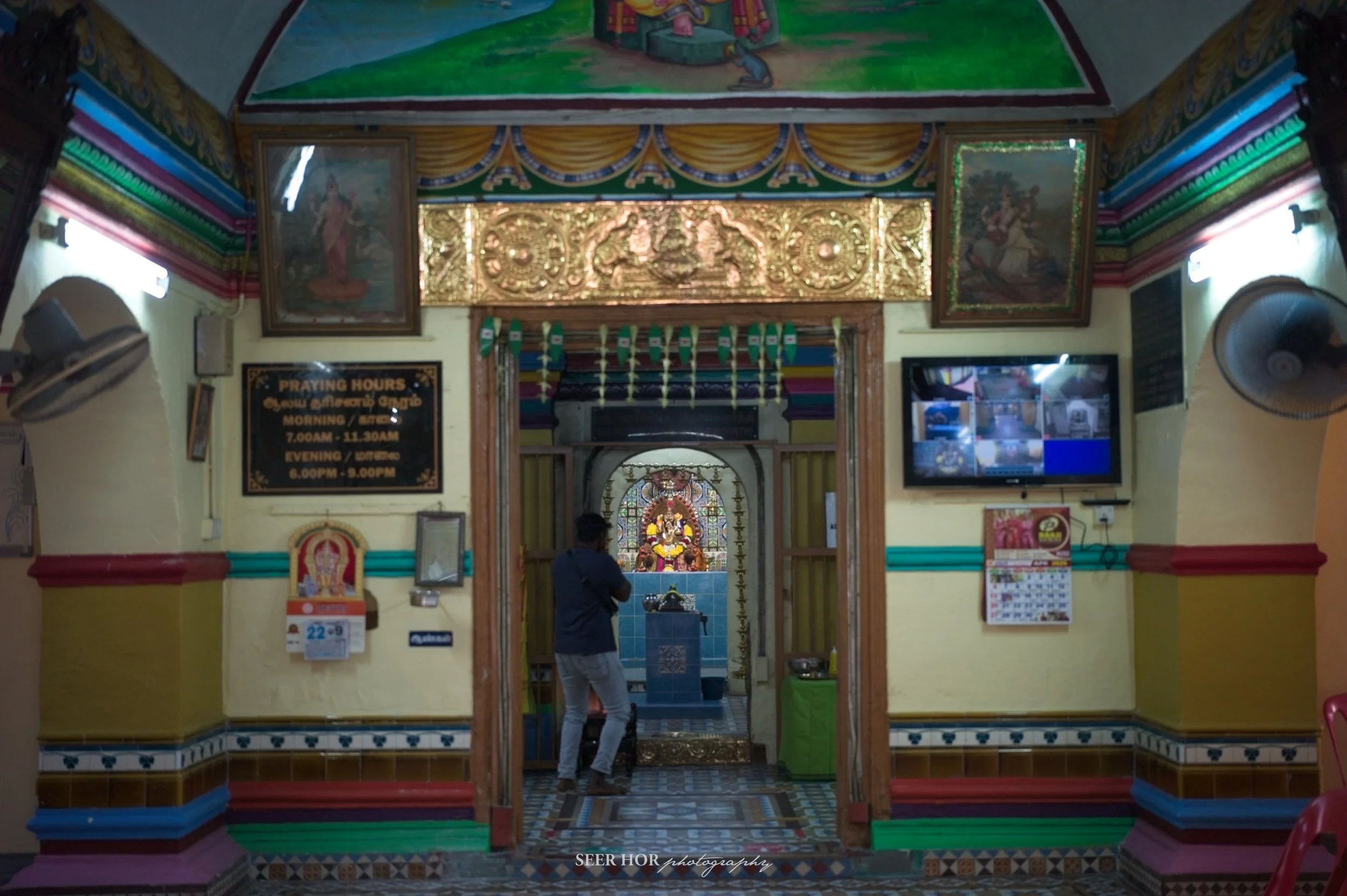
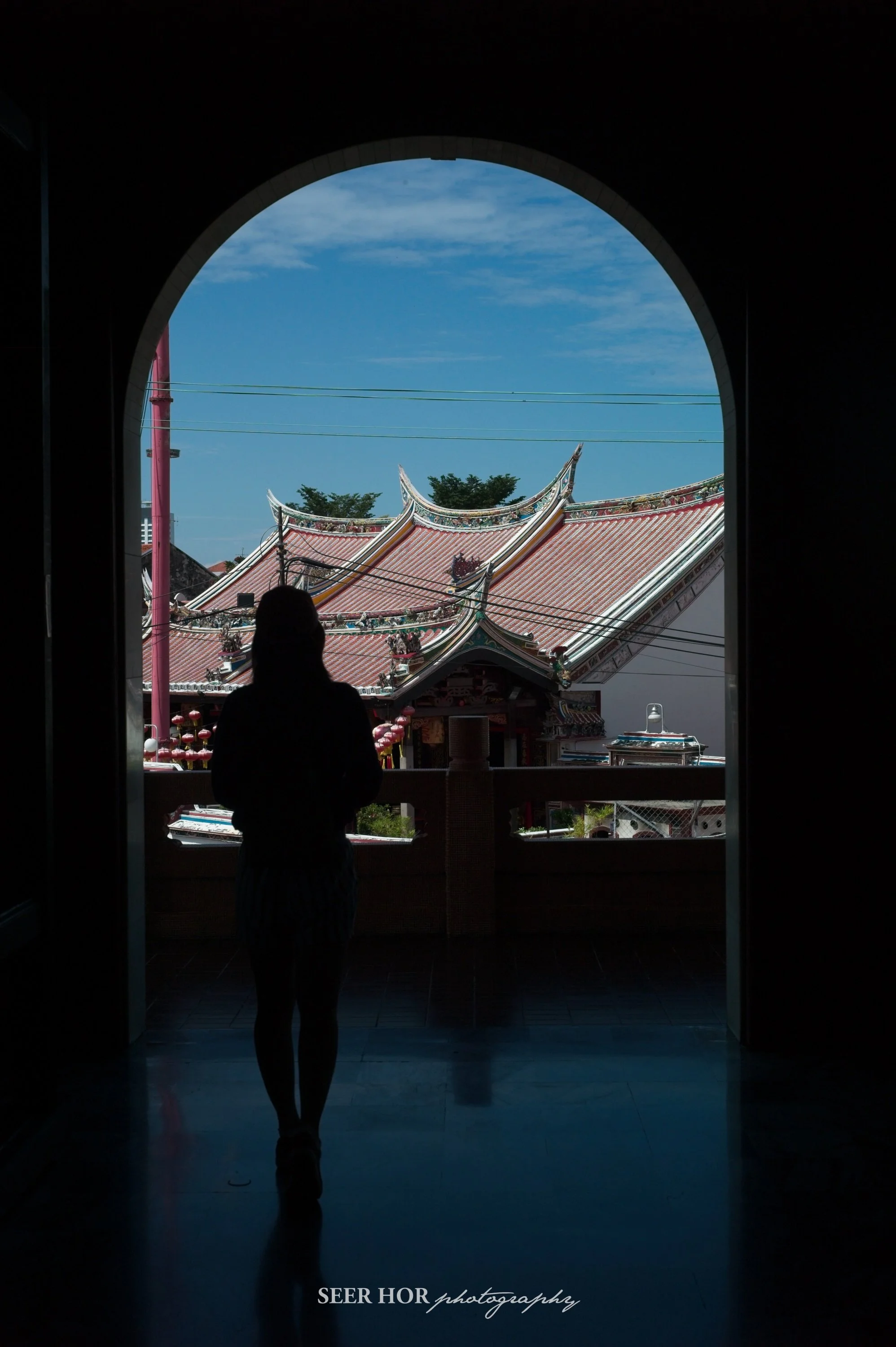
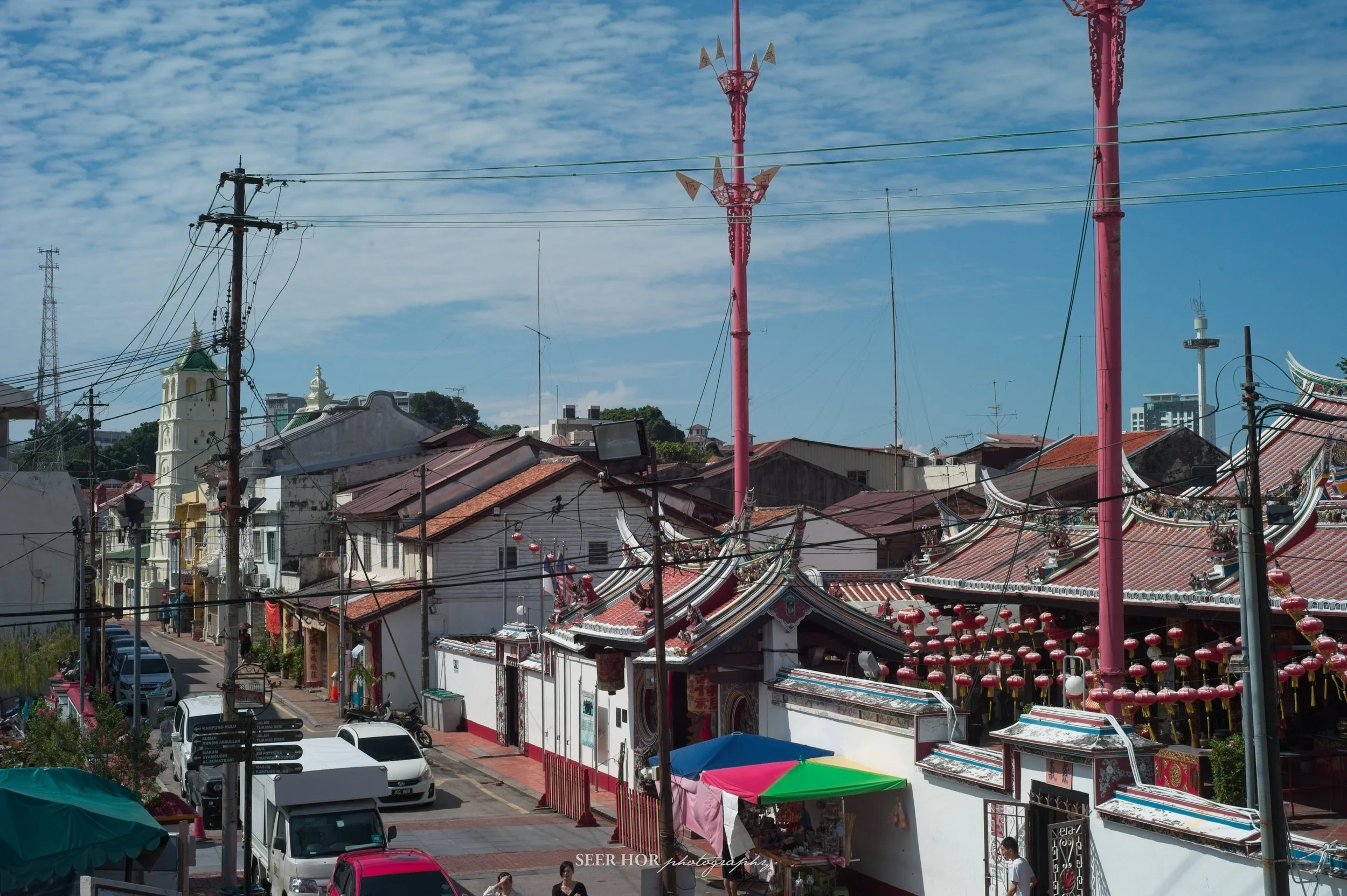
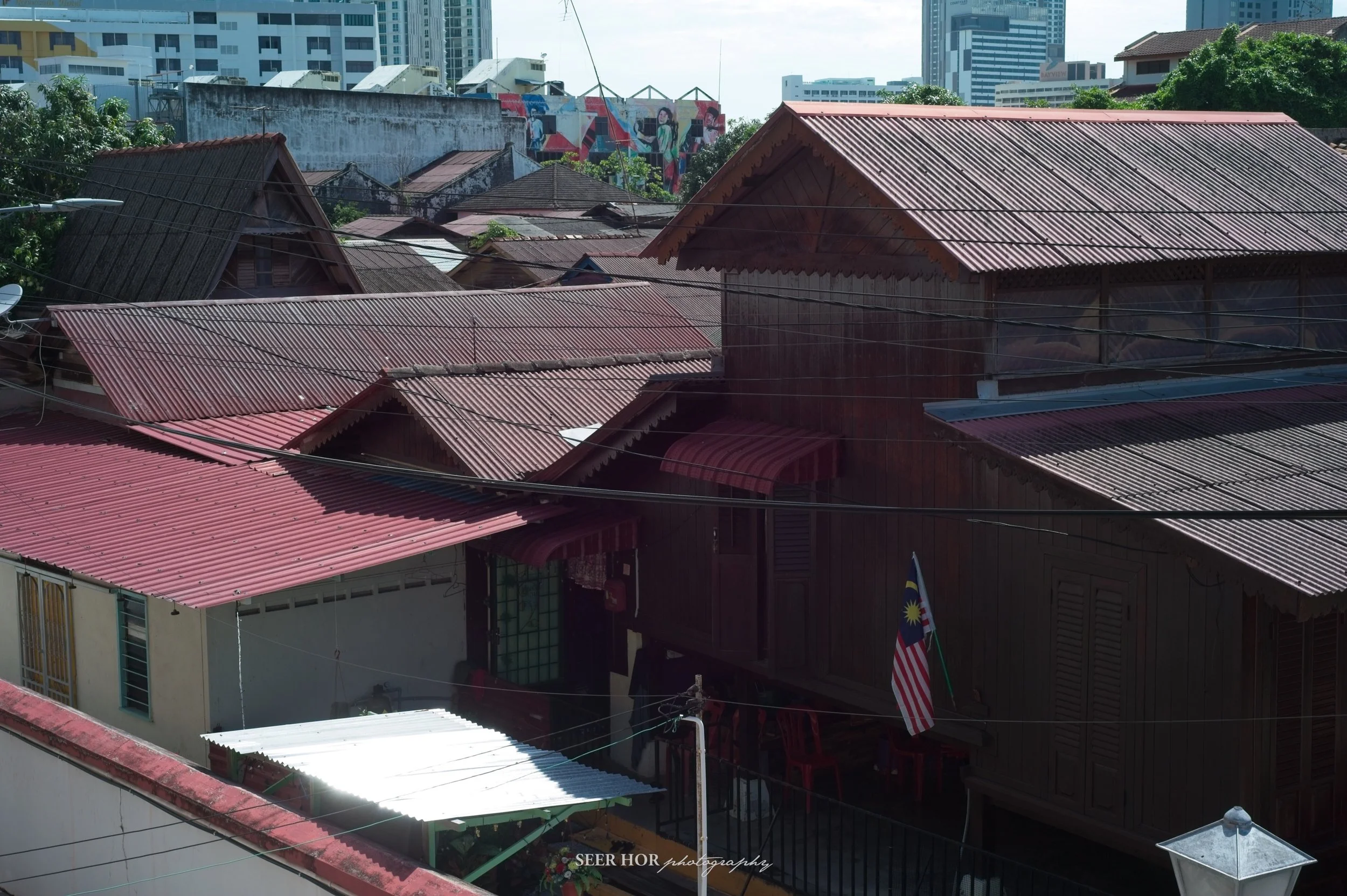
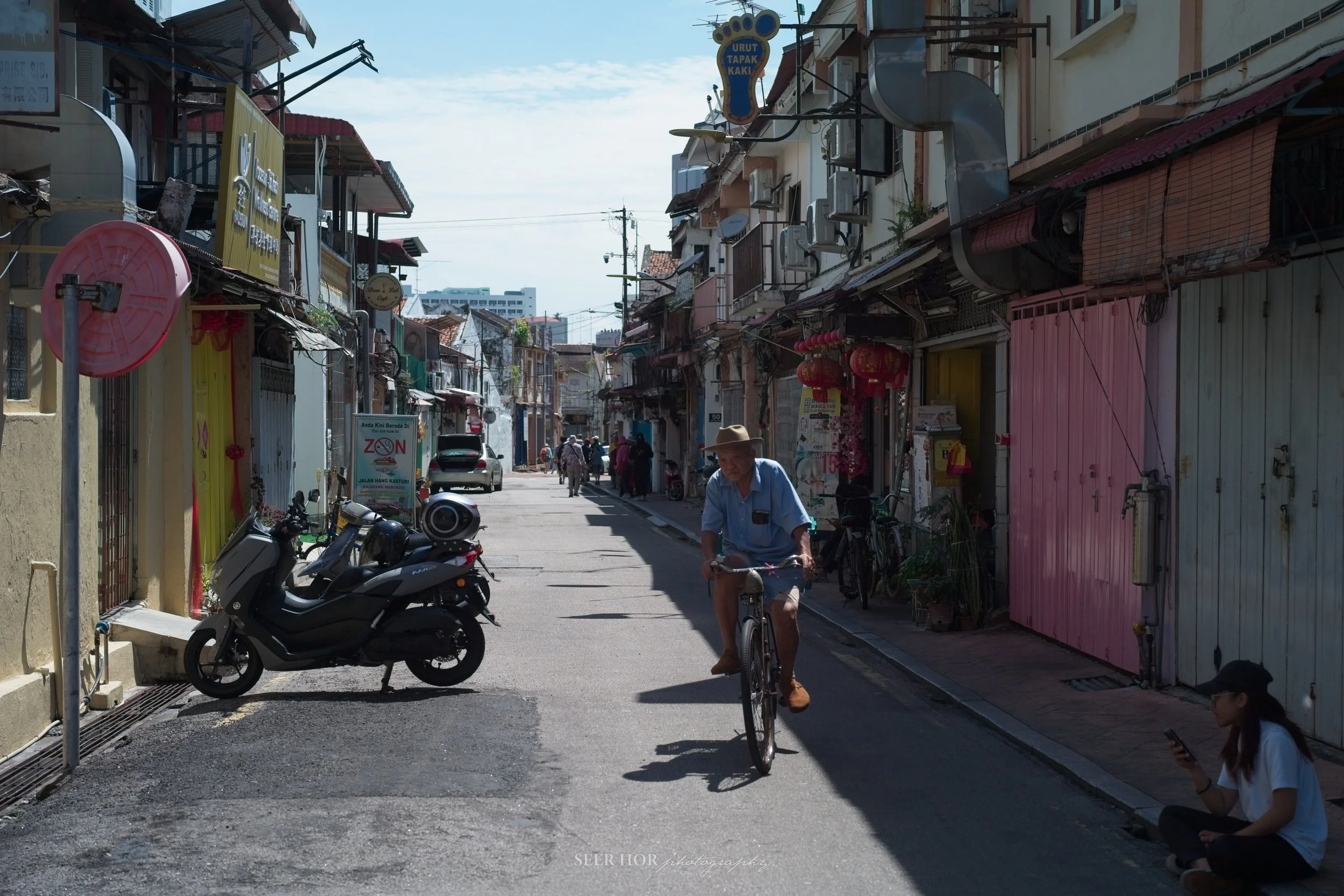
THE SCENE

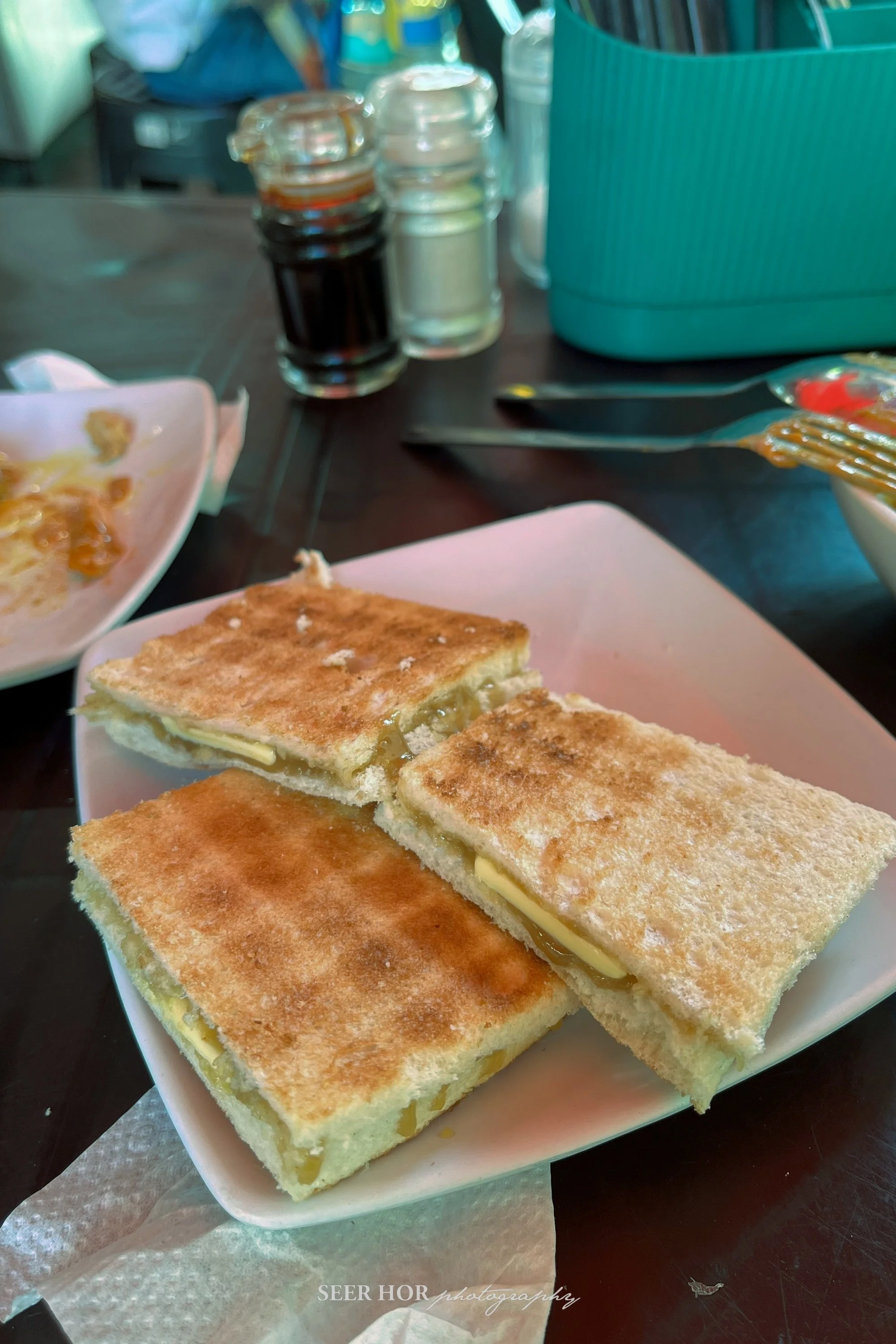
THE TASTE
- END -